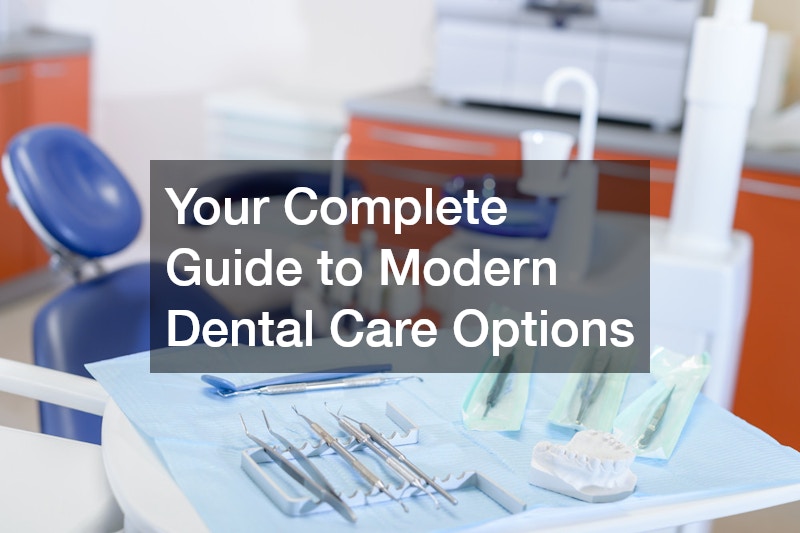

Dental care today looks very different than it did even a decade ago. Advances in technology, improved patient comfort, and a wider range of treatment options have made it easier than ever to maintain a healthy, confident smile. At the same time, the sheer number of choices can feel overwhelming. From selecting the right provider to understanding complex procedures, many patients aren’t sure where to begin.
The good news is that modern dental care is more personalized than ever. Whether you need routine checkups, cosmetic improvements, or restorative treatments, there are solutions designed to fit your needs, lifestyle, and budget. The key is knowing how to navigate your options and make informed decisions.
With the right approach, you can take control of your oral health and feel confident about every decision you make.
How to Choose the Right Provider for Your Needs

Finding the right provider is one of the most important decisions you’ll make for your oral health. Not all dentists offer the same services, and choosing wisely can save you time, money, and unnecessary stress.
Identify What Type of Care You Actually Need
Start by understanding your current situation. Are you looking for routine cleanings, cosmetic work, or restorative procedures?
Ask yourself:
- Do you have ongoing dental issues that need attention?
- Are you interested in improving the appearance of your smile?
- Do you need specialized care or just general maintenance?
Different dentists focus on different areas, so knowing your needs helps narrow your search.
What to Look for in a Quality Provider
Not all providers offer the same level of care. When researching dentists, consider:
- Education and certifications
- Years of experience
- Patient reviews and testimonials
- Range of services offered
- Use of modern technology
Look for professionals who prioritize patient education and transparency. A good provider will explain your options clearly and help you feel comfortable with your choices.
Why Convenience and Accessibility Matter
Choosing local dentists can make a big difference in maintaining consistent care. Convenience encourages regular visits and makes it easier to handle emergencies.
Benefits include:
- Shorter travel times
- Easier scheduling
- Faster response in urgent situations
A nearby provider helps you stay consistent, which is critical for long-term oral health.
Understanding the Different Types of Practices
Not all dental practices operate the same way. Understanding the differences can help you choose the environment that best fits your needs.
Know the Difference Between Practice Types
A dental clinic often offers a wide range of services under one roof, sometimes with multiple specialists available. This can be ideal for patients needing comprehensive care.
On the other hand, smaller dentist offices may provide a more personalized experience, with consistent interaction with the same provider.
How to Evaluate the Environment Before Booking
Before committing, visit or research the practice carefully. Look for:
- Clean, well-maintained facilities
- Friendly and professional staff
- Clear communication about procedures and costs
- Updated equipment and technology
Pay attention to how the team interacts with patients. Comfort and trust are essential.
Choosing a Practice That Fits Your Comfort Level
Some patients prefer a quieter, more intimate setting, while others appreciate the resources of a larger practice. There’s no one-size-fits-all answer—it depends on your preferences.
The goal is to find a place where you feel heard, respected, and confident in the care you receive.
Finding the Right Care for Every Stage of Life
Oral health needs change throughout your life. Choosing the right type of care at each stage ensures better long-term outcomes.
Start Early with Preventive Care for Children
Early dental care sets the foundation for lifelong habits. A pediatric dentist specializes in working with children and understands how to make visits comfortable and stress-free.
Benefits include:
- Early detection of potential issues
- Education on proper brushing and flossing
- Building positive associations with dental visits
Simplify Care with One Provider for the Whole Family
Working with a family dentist can make managing appointments easier and more efficient. Instead of visiting multiple providers, your entire household can receive care in one place.
Advantages include:
- Coordinated care for all ages
- Simplified scheduling
- Long-term familiarity with your dental history
Adjusting Care as Needs Change Over Time
As you age, your dental needs evolve. Teens may require orthodontic care, adults may focus on maintenance and aesthetics, and older adults may need restorative solutions.
Regular checkups and open communication with your provider ensure your care plan adapts as needed.
Explore Solutions for Missing or Damaged Teeth
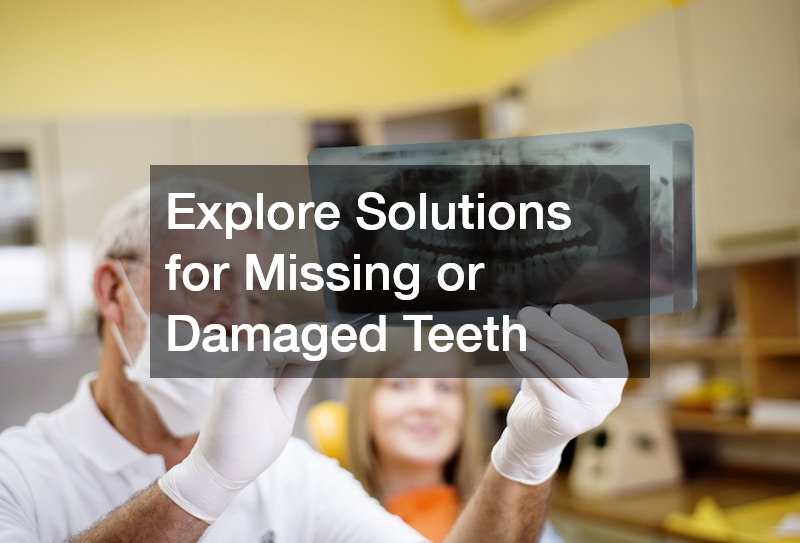
Tooth loss or damage can affect far more than just your appearance. It can impact how you eat, speak, and even how your jaw functions over time. Many people don’t realize that leaving a damaged or missing tooth untreated can trigger a chain reaction—affecting neighboring teeth, bone structure, and overall oral health.
The good news is that modern dentistry offers reliable, long-lasting solutions that restore both function and confidence. The key is understanding your options and acting early.
Know When Replacement Options Are Necessary
Not every dental issue requires replacement, but there are clear situations where saving the tooth is no longer possible or practical.
You may need to consider replacement if you experience:
- Severe tooth decay
When decay reaches deep into the tooth and compromises its structure, fillings or crowns may no longer be enough. - Cracked or broken teeth beyond repair
Minor cracks can often be treated, but extensive fractures—especially those below the gumline—typically require removal and replacement. - Missing teeth affecting chewing or speech
Even a single missing tooth can disrupt your bite and make everyday activities uncomfortable. - Chronic infection or failed root canals
If infection persists despite treatment, extraction and replacement may be the healthiest option.
Ignoring these issues can lead to more serious complications, such as:
- Bone loss in the jaw due to lack of stimulation
- Shifting of surrounding teeth, causing misalignment
- Increased wear on remaining teeth
- Changes in facial structure over time
The sooner you address the problem, the more options you’ll have—and the better your long-term outcome will be.
Compare Modern Tooth Replacement Options
Today’s replacement options are more advanced and customizable than ever. Each solution has its place depending on your needs, budget, and long-term goals.
Here’s a closer look at the most common options:
Dentures
- Ideal for replacing multiple or all teeth
- Removable and typically more affordable upfront
- Faster solution but may require adjustments over time
- Can sometimes feel less stable when eating or speaking
Bridges
- Fixed option that fills gaps using neighboring teeth for support
- More stable than dentures
- Requires altering adjacent healthy teeth
- Typically lasts several years with proper care
- A permanent solution that replaces both the root and the visible tooth
- Does not rely on neighboring teeth for support
- Helps preserve jawbone health
- Looks, feels, and functions like a natural tooth
Implants are often considered the gold standard because they integrate with the bone, providing unmatched stability and longevity. While they may require a higher upfront investment, they tend to offer better long-term value due to their durability.
What to Expect During the Procedure
If you’re considering implants, understanding the process can help you feel more confident and prepared.
Dental implant surgery is typically completed in stages:
1. Initial Consultation and Planning
- Your provider evaluates your oral health
- Digital imaging or 3D scans are taken
- A personalized treatment plan is created
2. Implant Placement
- A small titanium post is placed into the jawbone
- This serves as an artificial root
- The procedure is usually done under local anesthesia and is more comfortable than many expect
3. Healing and Integration
- Over the next few months, the implant fuses with the bone in a process called osseointegration
- This step is critical for long-term stability
4. Final Restoration
- A custom crown is attached to the implant
- The result is a natural-looking and fully functional tooth
Recovery and Long-Term Care
Recovery is generally manageable, especially when following your provider’s instructions.
During healing:
- Mild swelling or discomfort is normal for a few days
- Soft foods are recommended initially
- Good oral hygiene is essential to prevent complications
Long-term care is simple and similar to caring for natural teeth:
- Brush and floss daily
- Attend regular dental checkups
- Avoid habits like grinding or chewing hard objects
With proper care, implants can last decades—often a lifetime—making them one of the most reliable solutions available.
Making the Right Choice for You
Choosing the right replacement option depends on several factors:
- Number of missing or damaged teeth
- Overall oral health and bone density
- Budget and insurance coverage
- Personal preferences for comfort and maintenance
It’s important to have an open conversation with your provider about your goals and concerns. A good treatment plan should balance functionality, aesthetics, and long-term value.
Addressing missing or damaged teeth isn’t just about restoring your smile—it’s about protecting your overall health and quality of life. With today’s advanced options, you don’t have to settle for temporary fixes. You can choose a solution that supports you for years to come.
How to Make Advanced Treatments More Affordable
Cost is often a concern when considering dental procedures, but there are ways to make treatment more accessible.
Understand What Drives Treatment Costs
Several factors influence pricing:
- Materials used
- Complexity of the procedure
- Technology involved
- Provider expertise
Understanding these factors helps you evaluate the value of your investment.
Smart Ways to Reduce Out-of-Pocket Expenses
There are multiple strategies to manage costs:
- Use dental insurance benefits effectively
- Ask about payment plans or financing options
- Schedule treatments strategically within benefit periods
Many providers now offer affordable dental implants, making advanced care more attainable.
Questions to Ask Before Committing to Treatment
Before moving forward, ask:
- What is included in the total cost?
- Are there additional fees?
- What are the long-term maintenance costs?
Clear answers help you avoid surprises and plan accordingly.
What to Expect from Modern Technology and Facilities
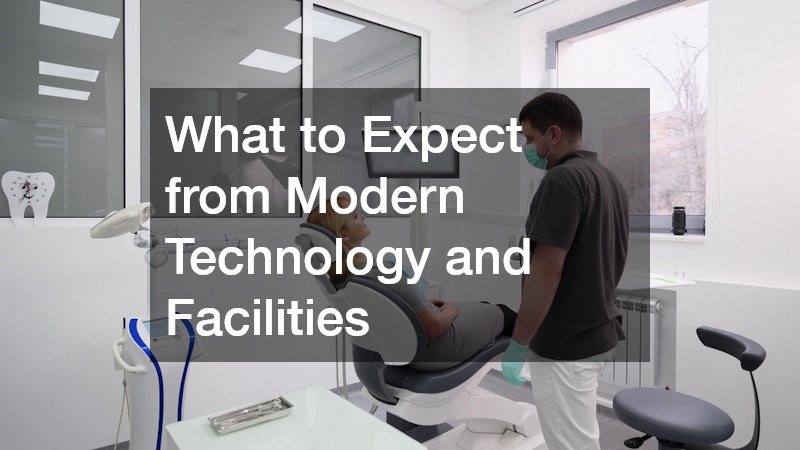
Technology plays a major role in improving both the quality and comfort of dental care.
How Updated Spaces Improve Patient Experience
Modern practices are designed with patient comfort in mind. Features may include:
- Comfortable seating and calming environments
- Efficient layouts that reduce wait times
- Advanced sterilization systems
These elements create a more positive experience overall.
Technology That Enhances Accuracy and Comfort
Today’s tools allow for more precise and less invasive treatments:
- Digital X-rays for faster imaging
- 3D scanning for accurate impressions
- Laser treatments for reduced discomfort
These advancements lead to better outcomes and quicker recovery times.
Why Facility Design Impacts Quality of Care
The design and layout of a practice influence how efficiently care is delivered. Dental construction plays a key role in creating spaces that support modern technology and workflows.
Well-designed environments allow providers to:
- Work more efficiently
- Maintain higher safety standards
- Deliver a smoother patient experience
Build a Preventive Care Routine That Actually Works
Preventive care is the foundation of good oral health. The right routine can help you avoid costly treatments and maintain a healthy smile.
Daily Habits That Protect Your Teeth Long-Term
Consistency is key. Focus on:
- Brushing twice a day with fluoride toothpaste
- Flossing daily to remove plaque between teeth
- Limiting sugary foods and drinks
Small daily habits make a big difference over time.
How Often You Really Need Checkups
Most people benefit from visits every six months, but your provider may recommend a different schedule based on your needs.
Regular checkups help:
- Catch problems early
- Maintain clean teeth and healthy gums
- Monitor changes over time
Catching Problems Before They Become Expensive
Pay attention to early warning signs such as:
- Sensitivity to hot or cold
- Bleeding gums
- Persistent bad breath
Addressing these issues early can prevent more serious complications.
How to Get the Most Out of Your Dental Visits
Maximizing each visit ensures you get the best possible care.
Prepare for Appointments Like a Pro
Before your visit:
- Write down any concerns or symptoms
- Bring a list of medications
- Be ready to discuss your dental history
Preparation helps your provider give more accurate recommendations.
Understand Your Treatment Plan Clearly
Don’t hesitate to ask questions:
- What are my options?
- What are the risks and benefits?
- What happens if I delay treatment?
Clear communication leads to better decisions.
Build a Long-Term Relationship with Your Provider
Consistency matters. Seeing the same provider regularly allows them to understand your history and provide more personalized care.
This leads to:
- Better preventive strategies
- More accurate diagnoses
- Greater comfort during visits
Modern Dental Care Offers More Options And Greater Comfort
By understanding your choices and taking a proactive approach, you can make confident decisions that support your long-term health.
The key is to focus on consistency, quality, and prevention. When you choose the right provider, invest in the right treatments, and maintain a strong daily routine, you set yourself up for lasting success.
Your smile is an important part of your overall well-being. Taking the time to care for it properly is one of the best investments you can make.