
How Comprehensive Dentistry Improves Oral Health Long-Term
Why Long-Term Oral Health Requires a Comprehensive Approach
Oral health is often misunderstood as something that can be handled one issue at a time. A cavity gets filled, a toothache gets treated, or a cosmetic concern gets corrected, and life moves on. While these individual treatments are necessary, they don’t always address the broader conditions that caused the problem in the first place. Over time, this reactive approach can lead to repeated issues, unexpected complications, and frustration for patients who feel like they are constantly ‘fixing’ something new.
A comprehensive approach to oral care looks beyond isolated symptoms. It considers how teeth, gums, jaw alignment, bone structure, daily habits, and even sleep patterns interact. Oral health is dynamic—it changes with age, stress levels, diet, and lifestyle. What works in one stage of life may not be sufficient in another, which is why long-term planning matters.
Rather than focusing only on what needs treatment today, comprehensive care emphasizes prevention, stability, and longevity. It aims to preserve natural teeth whenever possible, reduce the risk of future procedures, and ensure that any dental work performed today will still function well years down the line. This mindset helps patients avoid the cycle of short-term fixes and instead move toward lasting oral health.
In the sections below, we’ll explore how this broader approach works in practice, what patients can do to support it, and why thinking long-term leads to better outcomes for both oral and overall health.
Building a Long-Term Oral Health Plan With the Right Care Team
Long-term oral health depends heavily on having a coordinated care team that looks at the mouth as a complete system. A dentist often serves as the primary point of contact, monitoring changes over time and identifying risks before they become major problems. Routine visits are not just about cleaning teeth—they are opportunities to track wear patterns, gum health, bite changes, and early signs of structural stress.
In many cases, long-term stability also requires the expertise of an Orthodontist. Bite alignment plays a critical role in how forces are distributed across teeth. When alignment issues go untreated, certain teeth may absorb excessive pressure, leading to fractures, enamel wear, or gum recession. These issues can develop slowly, making them easy to overlook until significant damage has already occurred.
A comprehensive care plan involves communication between providers and clear goals for the future. Instead of treating problems in isolation, care decisions are made with an understanding of how one treatment affects another.
Patients can take an active role by:
- Asking for full-mouth evaluations rather than single-tooth assessments
- Requesting explanations of how bite and alignment affect long-term outcomes
- Discussing future risks, not just current symptoms
- Keeping records of previous treatments and concerns
When patients and providers work together with a long-term perspective, care becomes more predictable and effective. This approach reduces surprises and helps ensure that today’s treatment supports tomorrow’s health.
Correcting Alignment Issues Before They Create Bigger Problems
Alignment issues are often dismissed as cosmetic concerns, but their impact goes far deeper. Crowded or uneven teeth can trap plaque, making proper cleaning more difficult. Over time, this increases the risk of decay and gum inflammation. Misalignment also affects how teeth meet when biting or chewing, leading to uneven wear, jaw discomfort, and cracked teeth.
Clear aligner systems like Invisalign make alignment correction more accessible for adults who may have avoided traditional orthodontic treatment earlier in life. By gradually shifting teeth into healthier positions, alignment treatment helps create balance throughout the mouth.
Long-term benefits of correcting alignment include:
- Reduced stress on individual teeth
- Improved access for brushing and flossing
- Lower risk of chips and fractures
- More stable results from future dental work
Patients undergoing alignment correction should also focus on daily habits that support success:
- Wearing aligners consistently as directed
- Cleaning aligners properly to avoid bacterial buildup
- Maintaining excellent oral hygiene
- Reporting discomfort or bite changes promptly
Addressing alignment early prevents small issues from escalating into complex problems. It also helps protect existing dental work and reduces the likelihood of needing extensive restorative procedures later on.
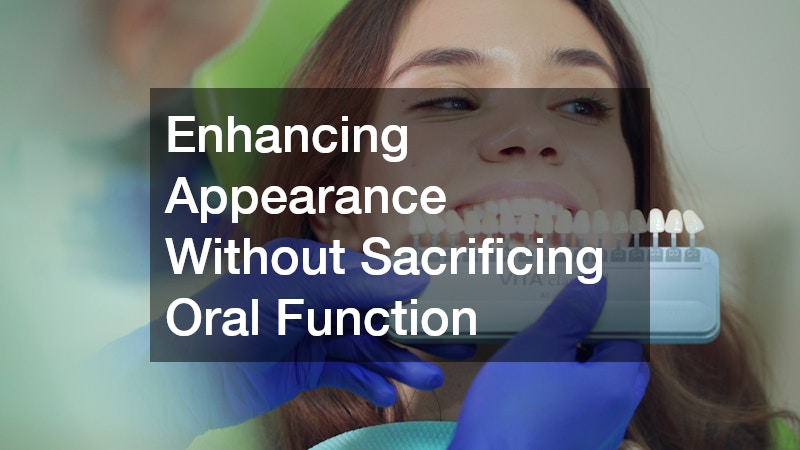
Enhancing Appearance Without Sacrificing Oral Function
A confident smile can have a powerful effect on self-esteem and daily interactions, but aesthetic improvements should never compromise oral health. A cosmetic dentist focuses on enhancing appearance while preserving the integrity of teeth and gums. The goal is to achieve natural-looking results that function well and stand the test of time.
Teeth whitening is a popular option for improving brightness, but not all whitening methods are created equal. Overuse of abrasive or unregulated products can weaken enamel and increase sensitivity. Professional guidance ensures that whitening is done safely and that underlying issues—such as thinning enamel or gum recession—are addressed first.
Smart strategies for maintaining aesthetics responsibly include:
- Treating gum inflammation or decay before cosmetic procedures
- Avoiding excessive whitening treatments
- Understanding the realistic limits of cosmetic improvements
- Scheduling regular follow-ups to monitor changes
When appearance-focused treatments are integrated into a comprehensive plan, patients enjoy longer-lasting results and feel more comfortable. A balanced approach ensures that cosmetic enhancements support—not undermine—long-term oral health.
Strengthening and Protecting Teeth After Damage or Decay
Once a tooth has been weakened by decay, wear, or trauma, protecting it becomes essential. Dental Crowns are often used to reinforce compromised teeth, restoring strength and preventing further breakdown. By covering the entire tooth, crowns help evenly distribute bite forces and protect the remaining tooth structure.
Veneers can also play a protective role when used appropriately. While often associated with cosmetic improvements, they can also shield worn or damaged surfaces and reduce sensitivity when carefully planned.
To extend the life of restorations, patients should:
- Avoid chewing ice or hard objects
- Address grinding or clenching habits
- Maintain thorough daily cleaning routines
- Attend regular checkups to catch early wear
Patients should also watch for warning signs such as rough edges, discomfort when biting, or sensitivity. Early intervention helps prevent minor issues from turning into major repairs and preserves the integrity of both natural teeth and restorations.
Treating Infection Early to Preserve Natural Teeth
Infections inside a tooth can progress quietly because the inner structures of the tooth are not always sensitive in the early stages of damage. Bacteria can enter through small cracks, deep decay, or weakened enamel and begin affecting the inner tissue without causing immediate pain. This silent progression often leads people to believe the tooth is healthy until the infection reaches a more advanced stage, at which point discomfort or swelling may suddenly appear.
By the time pain develops, significant damage may already be present. The infection may have spread through the internal canals of the tooth, compromising its ability to heal on its own. In some cases, the surrounding bone may already be under stress. A Root Canal removes infected tissue from within the tooth while preserving its outer structure, which is critical for maintaining natural bite function and preventing shifting of nearby teeth. Preserving the tooth helps maintain balance in the mouth and reduces the need for more extensive restorative work.
Delaying treatment allows the infection to continue spreading beyond the tooth itself. Bacteria can invade surrounding bone and soft tissues, increasing inflammation and weakening the support structures that keep teeth stable. This progression raises the risk of tooth loss and may also affect neighboring teeth by creating an unstable environment. Early intervention stops this chain reaction, helping preserve natural teeth and maintaining stability throughout the mouth.
After treatment, patients can protect the tooth by:
- Completing recommended restorations promptly
- Avoiding excessive pressure on the treated area
- Monitoring for changes or discomfort
- Maintaining consistent oral hygiene
When treated early and maintained properly, teeth that have undergone infection treatment can last just as long as untreated teeth.
Replacing Missing Teeth to Maintain Bone and Bite Health
Missing teeth affects more than just appearance. When a tooth is lost, the surrounding bone begins to deteriorate due to a lack of stimulation. This bone loss can alter facial structure, affect nearby teeth, and compromise bite stability.
Dental implants help address these issues by replacing both the tooth and its root. By integrating with the jawbone, implants provide stability and help preserve bone density over time.
Long-term success depends on:
- Maintaining excellent oral hygiene
- Avoiding smoking or habits that impair healing
- Attending routine evaluations
- Protecting implants from excessive bite forces
Replacing missing teeth promptly helps prevent a chain reaction of problems and supports long-term oral function.
Addressing Sleep and Breathing for Whole-Body Health
Oral health is closely connected to breathing and sleep quality because the structures of the mouth, jaw, and airway all work together during rest. When airflow is restricted, the body compensates in ways that can place stress on oral tissues. Shallow breathing, mouth breathing, and repeated interruptions in oxygen intake can trigger a cascade of effects that impact both comfort and long-term oral stability. These changes often occur gradually, making them difficult to recognize without a broader view of health patterns.
Restricted airways can contribute to chronic fatigue by preventing the body from reaching deeper, restorative stages of sleep. When the body is repeatedly forced out of these stages, it responds with inflammation and muscle tension. In the mouth, this tension often manifests as clenching or grinding during sleep. Over time, excessive tooth wear from nighttime grinding can shorten teeth, flatten biting surfaces, and strain the jaw joints. This added pressure may also accelerate wear on existing dental work, making restorations more vulnerable to damage.
Sleep apnea treatment with oral appliances can improve airflow by gently repositioning the jaw and keeping airways open during sleep. This improved airflow helps reduce the body’s stress response, allowing muscles to relax and lowering the likelihood of clenching or grinding. By reducing strain on the teeth and jaw joints, oral appliances help protect tooth structure and maintain long-term comfort. Many patients also report improved sleep quality, which supports healing, immune function, and daily energy levels.
Signs that sleep-related issues may be affecting oral health include:
- Morning headaches or jaw soreness
- Chronic dry mouth
- Worn or flattened teeth
- Ongoing fatigue despite adequate sleep
Addressing sleep-related concerns as part of comprehensive care supports both oral and overall health. When breathing, muscle function, and oral structures are evaluated together, treatment decisions become more effective and preventative. This integrated approach reinforces the importance of treating the mouth as part of a larger system rather than in isolation.

How Preventive Habits Multiply the Benefits of Comprehensive Care
Preventive habits are the foundation of long-term oral health because they determine whether dental work lasts years or fails prematurely. Even the most advanced treatments depend on what happens outside the dental office. Daily routines either protect the mouth or slowly undermine it. When preventive care is consistent, it reduces strain on teeth, gums, and restorations, allowing the entire oral system to remain stable over time.
One of the most important aspects of prevention is understanding that oral health is cumulative. Damage rarely happens all at once. Instead, small lapses—missed cleanings, rushed brushing, neglected stress habits—add up gradually. Preventive habits interrupt that progression by controlling the everyday factors that lead to decay, inflammation, and wear.
Key habits that support long-term success include:
- Brushing with proper technique and timing
- Cleaning between teeth daily
- Managing stress-related grinding or clenching
- Maintaining a balanced diet low in added sugars
Small, consistent actions compound over time. When preventive habits are maintained daily, they dramatically reduce the likelihood of emergencies, repeated treatments, and unexpected complications. Patients who prioritize prevention protect their investment in dental care, experience fewer disruptions, and enjoy more predictable, stable oral health outcomes year after year.
Investing in Oral Health for a Lifetime of Benefits
Comprehensive oral care is an investment in long-term health, comfort, and confidence. By addressing underlying causes, planning ahead, and maintaining consistent habits, patients can avoid the cycle of repeated problems and short-term fixes. A thoughtful, coordinated approach ensures that today’s care supports tomorrow’s wellbeing.
When patients understand how different aspects of oral health work together, they are better equipped to make informed decisions and protect their smiles for decades to come.