
The landscape of oral healthcare has undergone a profound transformation over the last few decades. Historically, a visit to the clinic was often associated with clinical sterility, loud noises, and a general sense of trepidation. For generations, patients viewed oral care as a reactive necessity rather than a proactive pillar of comprehensive wellness. However, the evolution of medical technology, diagnostic imaging, and patient-centered methodologies has completely revolutionized the patient experience. Today, clinical dentistry is a hub of comprehensive health, wellness, and aesthetic mastery, designed to prioritize patient comfort just as much as clinical outcomes.
Despite these massive leaps forward in technology and comfort, a significant problem remains: many patients continue to delay necessary treatments. This hesitation is frequently rooted in outdated fears, past negative experiences, or simply a lack of knowledge regarding the minimally invasive options that are now the industry standard. When people do not understand the capabilities of modern medicine, they often suffer in silence with functional issues, aesthetic insecurities, or chronic discomfort. The reality is that modern clinical practices have developed sophisticated protocols to address almost every conceivable issue with precision and care.
This comprehensive guide is designed to bridge that knowledge gap. By understanding the full spectrum of modern treatments—ranging from immediate relief protocols for sudden trauma to specialized overnight breathing devices—you can take actionable steps to advocate for your health. Knowledge is the ultimate tool for overcoming anxiety. When you know what to expect, what questions to ask, and what technologies are available, you transition from being a passive participant to an empowered advocate for your own bodily wellness. This guide will explore exactly how you can improve your daily comfort, safeguard your long-term health, and achieve a lasting, confident smile through advanced clinical care.
Act Quickly When Unexpected Tooth Aches Strike
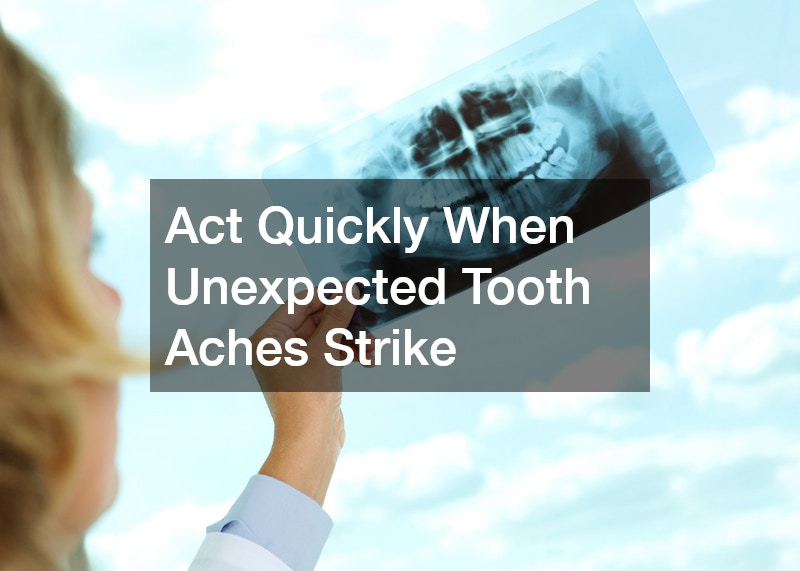
Oral trauma and sudden pain are incredibly disruptive, often occurring at the most inconvenient times. Whether it is a weekend sports injury or a sudden, sharp ache that wakes you up in the middle of the night, knowing how to navigate these situations is critical. Modern clinics have established robust protocols for handling urgent situations, ensuring that patients do not have to suffer for days while waiting for an appointment.
Identify the Signs That Require Immediate Attention
Not all oral discomfort requires an urgent intervention, but distinguishing between a minor sensitivity and a critical situation can save a tooth and prevent systemic infection. It is vital to have an emergency dentist in your contacts before a crisis actually occurs, so you are not scrambling to research providers while under immense stress. Here are the primary signs that you need immediate clinical intervention:
-
Severe and Localized Swelling: If you notice sudden swelling in your gums, cheek, or jawline, especially if accompanied by a fever, this is a red flag. It often indicates an active abscess or infection that could potentially spread to other areas of the head and neck.
-
Uncontrolled Bleeding: While minor bleeding from a scratched gum is normal, bleeding that does not stop after applying pressure for 15 to 20 minutes requires urgent professional care.
-
Knocked-Out or Extruded Teeth: Time is the most critical factor when a tooth is entirely dislodged from its socket. The highest chance of successfully re-implanting a natural tooth occurs within the first 30 to 60 minutes after the injury.
-
Severe, Pulsating Pain: If an ache is throbbing, unrelenting, and radiating to your ear or neck, it is a strong indicator of nerve damage or deep pulp infection that cannot be managed with over-the-counter medication.
Create a First-Aid Plan for Oral Traumas at Home
Having a prepared first-aid response can dramatically improve the prognosis of a dental injury and help you get out of dental pain temporarily while you arrange for transportation to a clinical facility.
-
Handling a Knocked-Out Tooth: If an adult tooth is completely knocked out, locate it immediately. Pick it up by the crown (the chewing surface), completely avoiding the sensitive root. If it is dirty, rinse it very gently with milk or saline. Do not use tap water, soap, or scrub the tissue. If possible, gently place the tooth back into the socket and bite down softly on a clean gauze pad. If reinsertion is impossible, place the tooth in a small container of milk or a specialized tooth preservation kit. Milk has a compatible osmolality to the root cells, which helps keep them alive.
-
Managing Swelling and Bleeding: For any trauma involving bleeding, apply firm, continuous pressure with sterile gauze. Apply a cold compress to the outside of your face, rotating 15 minutes on and 15 minutes off. This constricts the blood vessels, reducing both hemorrhage and inflammatory swelling.
-
Navigating Cracked or Fractured Teeth: If a tooth breaks, gather any large fragments you can find. Rinse your mouth with warm water to clear away debris and apply a cold compress to the cheek. Avoid applying topical pain gels directly to the exposed nerve, as this can cause tissue damage. Stick to oral, over-the-counter anti-inflammatory medications until you reach a professional.
Evaluate the Technology and Atmosphere of Your Chosen Clinic
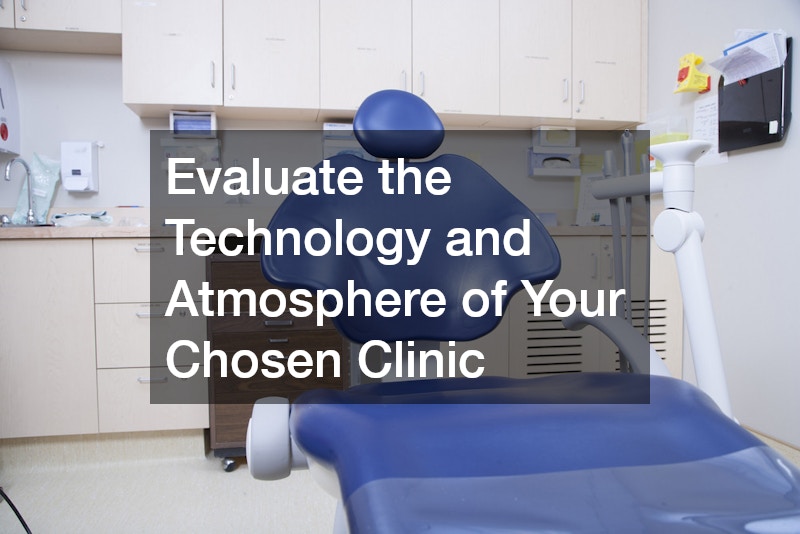
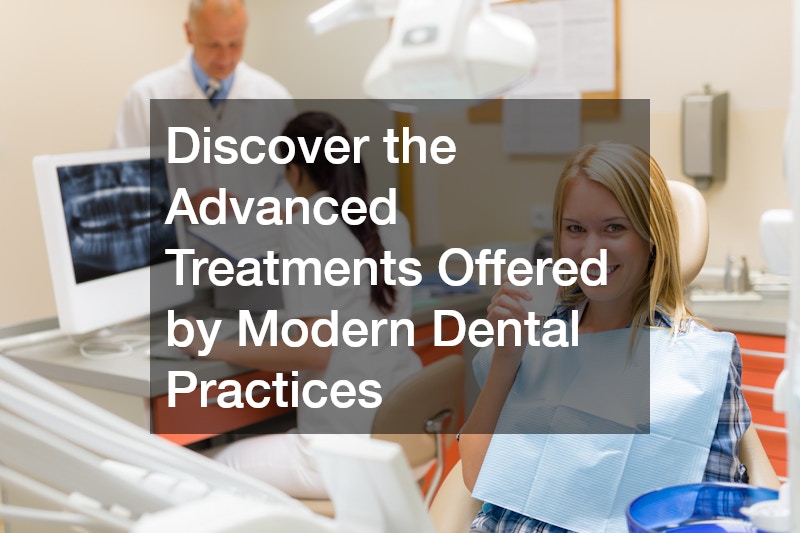
The environment where you receive care plays a massive role in the quality of your treatment and your overall psychological comfort. Modern facilities are distinguished by their commitment to investing in cutting-edge diagnostic tools and creating a patient-centered atmosphere. When choosing a provider, it pays to be observant and inquisitive.
Tour the Facility and Ask About Diagnostic Tools
You do not have to blindly accept the first provider you find. It is highly recommended to call ahead or schedule a brief introductory visit to ask prospective local dentists about the specific technologies they utilize. The tools a practice invests in directly correlate to the precision, safety, and comfort of the care they provide.
-
3D Cone Beam Computed Tomography (CBCT): Traditional two-dimensional X-rays are becoming outdated for complex procedures. CBCT scanners rotate around the patient’s head, capturing hundreds of images to create a highly detailed 3D model of the teeth, soft tissues, nerve pathways, and jawbone. This is essential for safe surgical planning and diagnosing hidden pathologies.
-
Intraoral Scanners: The days of gagging on trays filled with messy, gooey impression material are largely behind us. Modern clinics use wand-like intraoral scanners to take thousands of pictures inside the mouth per second, stitching them together to create a flawless digital impression.
-
Laser Technologies: Soft tissue and hard tissue lasers have revolutionized periodontics and cavity preparation. Lasers can remove decay, reshape gum tissue, and treat infections with pinpoint accuracy, often with minimal bleeding and significantly reduced need for local anesthesia.
-
Digital Caries Detection: Advanced devices now use transillumination or fluorescence to detect the earliest stages of enamel demineralization, allowing practitioners to treat microscopic cavities before they are even visible to the naked eye.
Review Infection Control and Patient Comfort Protocols
The moment you walk into a new dental office, you should be assessing not just the clinical tools, but the overall environment and safety standards. A top-tier practice will have transparent protocols and a welcoming atmosphere.
-
Sterilization Transparency: Do not be afraid to ask about a clinic’s sterilization process. Instruments should be processed in medical-grade autoclaves, and you should ideally see the practitioner open a sealed, sterilized pouch of tools right in front of you.
-
Air Quality and Cleanliness: Modern practices often invest in advanced HVAC systems and medical-grade HEPA air purifiers that run continuously in treatment rooms to capture airborne aerosols generated during procedures.
-
Sensory and Ergonomic Amenities: High-quality practices understand that environment dictates anxiety levels. Look for ergonomic, memory-foam treatment chairs that prevent back strain during long appointments. Many progressive clinics also offer sensory-friendly amenities like noise-canceling headphones, ceiling-mounted televisions to provide visual distraction, weighted blankets to calm the nervous system, and ambient aromatherapy in the waiting areas to neutralize clinical odors.
Prioritize Your Comfort While Rebuilding Your Smile
Reconstructive and restorative procedures are among the most intimidating prospects for many patients. However, advancements in both pharmacological relaxation and biomechanical engineering have made complete smile rehabilitation a highly predictable and manageable process.
Discuss Relaxation Options Before Major Procedures
If the thought of sitting in a treatment chair causes your heart to race, you are not alone. Clinical anxiety is a recognized and valid barrier to healthcare. Fortunately, you can advocate for your comfort by requesting a consultation with a sedation dentist to discuss pharmacological methods that suppress the central nervous system’s stress response.
-
Nitrous Oxide: Commonly known as laughing gas, this is the mildest form of relaxation. Breathed through a small nose mask, it induces a state of light euphoria and takes the edge off anxiety. The effects dissipate within minutes of removing the mask, allowing you to drive yourself home.
-
Oral Conscious Relaxation: This involves taking a prescribed anti-anxiety medication, such as a benzodiazepine, about an hour before your appointment. You will remain awake and able to respond to commands, but you will be in a state of profound relaxation. Many patients have little to no memory of the procedure itself. Because the effects linger, you must arrange for a companion to drive you home.
-
Intravenous (IV) Administration: For severe phobias or complex, lengthy surgeries, medication is delivered directly into the bloodstream for immediate, profound effects. The practitioner can adjust the dosage in real-time, keeping you in a “twilight” state. You will be completely oblivious to the sights, sounds, and sensations of the procedure.
Assess Your Candidacy for Permanent Structural Replacements
When it comes to replacing missing or unsalvageable teeth, bridges and removable dentures are no longer the only or even the best options. The gold standard for modern structural replacement utilizes biocompatible titanium posts that integrate directly into the jawbone, known as dental implants. However, not everyone is an immediate candidate for this advanced biomechanical integration.
-
Evaluating Bone Density: When a tooth is lost, the jawbone in that area no longer receives stimulation from chewing forces and begins to atrophy, or melt away. A 3D scan is required to measure the width and height of your remaining bone. If there is insufficient volume to support a titanium post, you may require a preliminary bone grafting procedure. This involves placing grafting material into the deficient area to stimulate your body’s natural bone regeneration process over several months.
-
Assessing Periodontal Health: The foundation must be healthy before building the house. Any active gum disease must be completely eradicated before surgical placement. Bacteria in the gums can attack the newly placed post, leading to a condition called peri-implantitis, which causes the treatment to fail.
-
Systemic Health Considerations: Conditions like uncontrolled diabetes or autoimmune disorders can impede the body’s healing process and the integration of titanium into the bone. Additionally, heavy smoking restricts blood flow to the oral tissues, significantly increasing the risk of surgical failure. Preparing your body through excellent nutrition, smoking cessation, and meticulous oral hygiene is a critical actionable step before pursuing this restorative path.
Compare Discreet Methods for Straightening Your Teeth
Orthodontics is no longer restricted to teenagers wearing metal brackets. Adult aesthetic and functional alignment is a massive segment of modern care, driven by innovations in digital scanning and biomechanical plastics. The focus has shifted toward achieving functional bites and beautiful aesthetics with minimal disruption to daily life.
Request a Digital Simulation of Your Future Smile
The traditional approach to bite correction involved taking physical molds and largely relying on the practitioner’s estimation of how teeth would shift over time. Today, technology allows for precision forecasting.
-
The Power of Predictive Modeling: During your initial consultation, ask the provider to use an intraoral scanner to capture your current bite. Top-tier providers utilize proprietary software that instantly processes this data to generate a 3D, interactive time-lapse simulation.
-
Visualizing the Outcome: This software allows you to view the exact, step-by-step projected movements of every individual tooth on a computer screen. You can literally see your final smile before you ever commit to a treatment plan or spend a single dollar.
-
Understanding the Timeline: Because this digital mapping calculates the exact force required to move teeth in a specific sequence, the software also provides a highly accurate estimate of the treatment duration. This transparency allows patients to plan their lifestyle and budget accordingly, making the most of the orthodontists services available to them.
Weigh the Daily Maintenance Requirements of Removable Trays
For patients who want to avoid the visual impact and dietary restrictions of traditional bonded brackets, clear aligners offer an incredibly discreet alternative. These custom-fabricated, transparent plastic trays apply gentle, continuous pressure to shift teeth. However, their success relies entirely on patient compliance and meticulous daily habits.
-
The 22-Hour Rule: The most critical actionable tip to understand before choosing this method is the wear-time requirement. Because the trays are removable, it is tempting to take them out frequently. However, for the biological process of tooth movement to occur, the trays must be worn for a strict minimum of 22 hours every single day. They should only be removed for eating, drinking anything other than plain water, brushing, and flossing.
-
Oral Hygiene is Non-Negotiable: If you eat a meal and put your trays back in without brushing and flossing, you are trapping food particles, sugars, and acidic bacteria directly against your enamel. This creates a greenhouse effect for rapid tooth decay and gum inflammation. You must commit to a routine of brushing and flossing after every snack and meal before reinserting your trays.
-
Maintaining the Hardware: The plastic itself must be kept pristine to remain invisible. Brushing the trays with abrasive toothpaste can create micro-scratches that harbor bacteria and look cloudy. Instead, you must clean them daily using gentle liquid soap and lukewarm water, or by soaking them in specialized effervescent cleaning crystals designed to dissolve plaque and prevent odors.
Address Nighttime Breathing Issues Through Specialized Care

A truly comprehensive approach to oral health looks beyond the teeth and gums to consider the entire airway. The structure of the jaw and the position of the tongue have a direct impact on breathing, particularly during sleep. Many patients are surprised to learn that their daytime fatigue, morning headaches, and chronic snoring are rooted in oral anatomy, and that their clinical provider can offer life-changing interventions.
Track Your Rest Patterns and Snoring Habits
Before seeking clinical intervention, you must gather data about your nighttime habits. Many people suffer from interrupted breathing without ever realizing it, blaming their exhaustion on stress or aging.
-
Keep a Morning Journal: Record how you feel immediately upon waking. Do you have a dry mouth or a sore throat? Do you frequently wake up with a dull headache that fades by noon? Are you experiencing unexplained daytime sleepiness or difficulty concentrating? These are classic symptoms of poor nighttime oxygenation.
-
Utilize Technology: If you sleep alone or your partner is a heavy sleeper, consider downloading a sound-recording sleep app on your smartphone. These apps activate when they detect noise, providing you with audio evidence of heavy snoring, gasping, or periods of total silence where breathing stops.
-
Identify Systemic Links: Chronic sleep disruption places immense stress on the cardiovascular system. If you are struggling with unexplained high blood pressure, metabolic issues, or persistent mood changes, your airway health may be a contributing factor that requires professional evaluation.
Consult Specialists About Custom Mandibular Devices
The standard medical treatment for obstructed airways is often a Continuous Positive Airway Pressure (CPAP) machine. While highly effective, CPAP machines can be noisy, cumbersome, and difficult for some patients to tolerate. Fortunately, the dental field offers an excellent, non-invasive alternative for mild to moderate cases.
-
Exploring Cross-Disciplinary Care: The anatomy of the mouth directly impacts the throat. When you lie down, gravity can cause the lower jaw to fall backward, bringing the base of the tongue with it. This collapses the soft tissues at the back of the throat, restricting airflow. Recognizing this anatomical link, forward-thinking practitioners, often working out of specialized orthodontists offices, have integrated airway management into their practice.
-
The Mechanics of Oral Appliances: You can seek consultation for a custom-fabricated Mandibular Advancement Device (MAD). This appliance looks similar to a thick sports mouthguard or a retainer. It is precisely calibrated to fit your exact dental anatomy.
-
How They Work: The device works by gently holding the lower jaw in a slightly forward position while you sleep. This forward traction prevents the tongue from collapsing backward, effectively keeping the airway open and taut. This completely non-invasive, silent treatment can drastically reduce snoring, normalize oxygen levels, and provide a restful night’s sleep, effectively mitigating the dangers of obstructive sleep apnea.
Conclusion
The realm of modern clinical care extends far beyond the traditional boundaries of cleanings and cavity fillings. As outlined throughout this guide, technological and procedural advancements have birthed a new era of comprehensive wellness. Today’s practitioners are equipped to seamlessly manage sudden trauma, eliminate deep-seated clinical anxieties, rebuild foundational jaw health, perfectly align aesthetics, and even intervene in life-threatening airway obstructions. The sheer breadth of these capabilities means that patients no longer have to compromise on their health, comfort, or appearance.
The most important takeaway is that these modern tools and techniques are designed specifically to put you, the patient, in control. You have the right to seek out environments that prioritize your psychological comfort, utilize state-of-the-art diagnostic imaging, and offer treatment plans tailored to your specific lifestyle requirements. You do not have to accept pain, embarrassment, or fatigue as a standard part of life.
Now that you are armed with this comprehensive knowledge, the next step is action. Take a moment to evaluate your current oral healthcare provider against the high standards discussed in this guide. Do they offer the diagnostic transparency, aesthetic options, and specialized knowledge you deserve? If not, it is time to advocate for yourself. Schedule a comprehensive evaluation with a modern, advanced practice to discuss your lingering functional issues or aesthetic goals, and take the first empowered step toward a healthier, more confident life.