
Juggling the healthcare needs of a busy household is often a logistical nightmare. Between school drop-offs, extracurricular activities, and demanding work schedules, the thought of coordinating appointments across multiple specialized clinics can feel entirely overwhelming. Driving across town to take a toddler to one specialist, a teenager to another, and yourself to a completely different location requires sacrificing hours of valuable time. Finding a single, unified home for your family’s oral health care is one of the most effective ways to reclaim your time, reduce administrative stress, and foster a lifelong relationship with practitioners who truly understand your family’s unique medical history.
However, selecting a comprehensive practice is not as simple as picking the closest building on a map. A single household often spans multiple generations, each presenting vastly different biological needs and psychological challenges. A toddler experiencing their first preventive exam requires a completely different clinical approach than a grandparent seeking complex restorative surgery. While convenience is a significant factor, it must never come at the expense of specialized, high-quality care.
This comprehensive guide is designed to walk you through the precise criteria needed to evaluate a multi-generational practice. By systematically assessing a clinic’s environment, technological capabilities, and financial transparency, you can confidently select a healthcare home that will expertly support your family through every phase of life without compromising on the quality of care.

Prioritize Specialized Care for the Youngest Household Members
The foundation of a lifetime of healthy habits is established during early childhood. Unfortunately, clinical anxiety is often rooted in negative experiences that occur during these formative years. When evaluating a multi-generational practice, your first priority should be determining how they handle their youngest and most vulnerable patients. The environment, the staff’s demeanor, and the clinical approach must be specifically tailored to reduce fear and build trust.
An adult can rationalize the discomfort of a medical procedure, but a young child relies entirely on the sensory environment and the empathy of the staff to feel safe. If a clinic treats children merely as small adults, they are not properly equipped to serve your whole family.
-
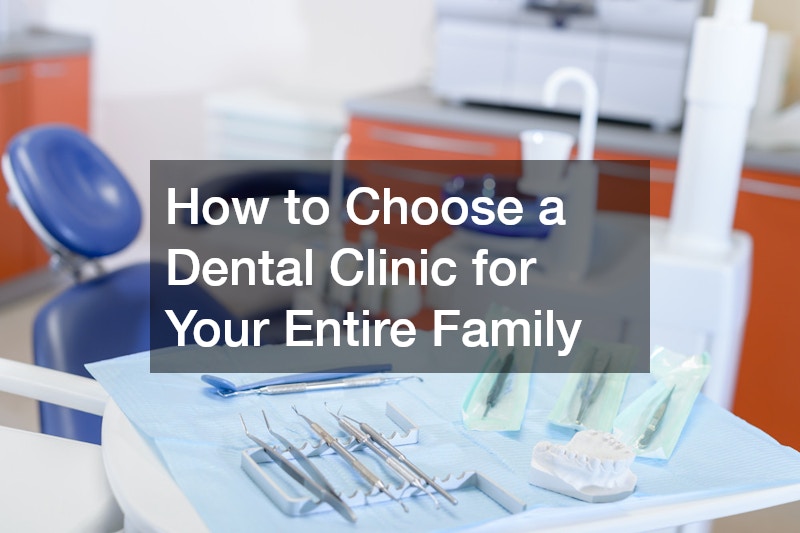
Assess the Clinical Environment: Look closely at the waiting areas and treatment rooms. Are they sterile and intimidating, or are they welcoming? A practice that values young patients will invest in child-friendly amenities, such as dedicated play areas, ceiling-mounted screens above the treatment chairs, and sensory-friendly lighting options.
-
Check for Early Development Expertise: The mechanics of primary teeth, jaw development, and airway growth require specialized knowledge. You should inquire if the practice has a pediatric dentist on staff or a practitioner who has completed extensive continuing education in childhood oral development. These professionals understand the nuances of early intervention, preventative sealants, and fluoride treatments tailored to developing enamel.
-
Evaluate Behavioral Management Techniques: Ask the staff how they handle a fearful or uncooperative toddler. A skilled practitioner uses techniques like “tell-show-do,” where they explain the instrument, demonstrate it on the child’s hand, and then proceed with the treatment. They should never rely on force or heavy-handed restraint for routine exams.
-
Plan for the Transition to Adult Care: As your child grows, their clinical needs will shift from early development tracking to routine maintenance and cavity prevention. A well-structured family practice will have a seamless protocol for transitioning your teenager to a general dentist within the same building. This ensures continuity of care, as the new practitioner will have instant access to the patient’s entire childhood medical history, x-rays, and developmental milestones.
Taking the time to schedule a brief “meet and greet” tour without a scheduled appointment is an excellent way to observe how the front desk staff and hygienists interact with children in a low-pressure setting.
Evaluate Orthodontic and Alignment Treatment Options for Teens
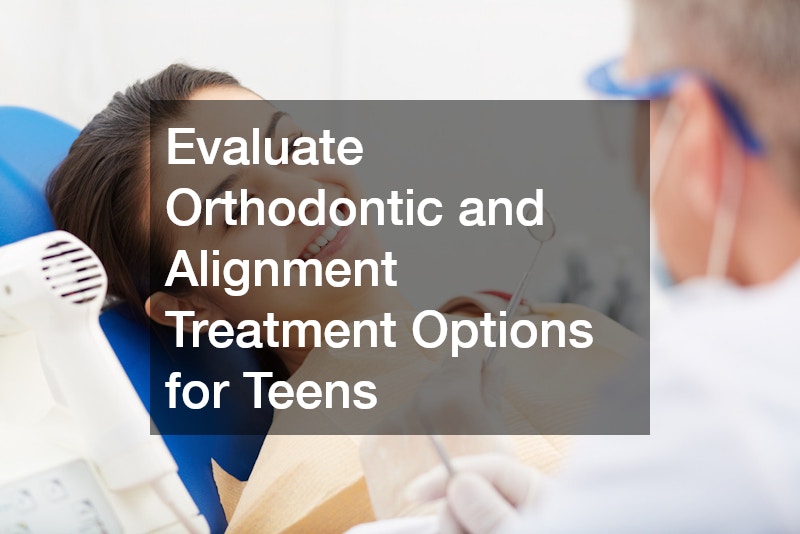
As children transition into their teenage years, their clinical needs frequently expand to include structural alignment and bite correction. This phase of life is heavily defined by social development and self-esteem, meaning the physical appearance of their smile can significantly impact their confidence. Furthermore, the logistical burden on parents increases dramatically during orthodontic treatment, making centralized care incredibly valuable.
Historically, families had to seek out a separate orthodontic specialist for braces, resulting in years of fragmented care and disjointed communication between different medical offices. Modern, comprehensive clinics have solved this by bringing advanced alignment technologies entirely in-house.
-
Look for Modern Alignment Technology: While traditional metal brackets are sometimes necessary for severe structural issues, the vast majority of mild to moderate alignment problems can now be corrected discreetly. Ask the clinic if they are certified providers of clear aligner systems, such as invisalign, which allow teenagers and adults to straighten their teeth without the social stigma or dietary restrictions associated with metal wires.
-
Inquire About Digital Imaging Capabilities: The days of biting down into trays of messy, gag-inducing putty to create physical molds should be firmly in the past. High-quality clinics invest in 3D digital intraoral scanners. These devices capture thousands of images per second to create a perfect digital model of the mouth in minutes, drastically improving patient comfort and treatment accuracy.
-
Assess the Logistics of Frequent Visits: Alignment treatments require brief but frequent check-ins every few weeks to monitor progress or provide new trays. You must critically evaluate the location, parking availability, and operating hours of the dentist office to ensure these constant trips do not severely disrupt your work schedule or your teenager’s school day.
-
Check for Comprehensive Treatment Planning: Having alignment treatments handled under the same roof as routine cleanings is highly advantageous. It allows the practitioner overseeing the structural shifts to seamlessly collaborate with the hygienist, ensuring that the patient maintains excellent hygiene and cavity prevention while their teeth are actively moving.
When interviewing a clinic, ask their front desk coordinator if they offer dedicated, expedited appointment blocks in the late afternoons or early mornings specifically reserved for quick orthodontic progress checks.

Look for Aesthetic Treatment Capabilities for Adult Confidence
As adults age, the daily consumption of coffee, tea, and certain foods, combined with natural wear and tear, inevitably takes a toll on the appearance of their smile. For the adult members of your household, oral health care often shifts from merely preventing decay to restoring and enhancing the natural beauty of their teeth. A truly comprehensive practice must possess the artistic skill and advanced training necessary to perform high-level aesthetic enhancements.
Correcting functional issues is a science, but creating a beautiful, natural-looking smile is an art. Not every practitioner possesses the specific eye for symmetry, color matching, and light reflection required to execute flawless aesthetic upgrades.
-
Understand the Scope of Smile Makeovers: Evaluate the breadth of aesthetic services the clinic provides. They should offer a tiered approach, ranging from minimally invasive procedures like professional, prescription-strength whitening and composite bonding, to more dramatic transformations utilizing custom-crafted porcelain veneers.
-
Verify Advanced Aesthetic Training: The field of aesthetic enhancement evolves rapidly with new materials and bonding techniques. You should ask about the practitioner’s specific training background. A dedicated cosmetic dentist will have completed extensive, specialized continuing education courses focused entirely on the artistry of smile design, far beyond their standard medical degree.
-
Request Visual Proof of Past Work: Never commit to significant aesthetic procedures without evaluating a practitioner’s portfolio. Ask to see a physical or digital “before and after” gallery of their actual patients. Look closely at the results: do the teeth look opaque and artificially bright, or do they possess the translucent, varied tones of natural enamel?
-
Discuss Their Philosophy on Aesthetics: During a consultation, ask the practitioner to explain their approach to cosmetic dentistry. A trustworthy professional will listen to your specific goals and advocate for conservative, tooth-preserving treatments rather than immediately pushing for the most aggressive and expensive options available.
A reliable practitioner will always conduct a thorough functional exam before agreeing to perform any aesthetic work, ensuring that the underlying foundation of the teeth and gums is perfectly healthy before applying any cosmetic enhancements.
Assess Long-Term Restorative Solutions for Aging Family Members
The most complex and emotionally delicate phase of oral health care often occurs in our senior years. Aging family members may face severe challenges such as diminishing bone density, advanced periodontal disease, or the loss of multiple natural teeth. These issues go far beyond mere aesthetics; they directly impact an individual’s ability to speak clearly, chew nutritious foods, and maintain their facial structure and dignity.
A family clinic must be fully equipped to handle these advanced restorative needs. Relying on a practice that only offers basic fillings will result in your elderly loved ones being constantly referred out to unfamiliar surgical centers, which can be disorienting and stressful.
-
Plan for Structural Tooth Replacement: When a tooth is lost, the underlying jawbone rapidly begins to deteriorate due to lack of stimulation. To combat this, a high-quality practice must offer comprehensive dental implant services. These titanium posts are surgically embedded into the jawbone, mimicking a natural root and preventing facial sagging while providing a permanent, secure foundation for artificial crowns.
-
Evaluate Options for Full Arch Restoration: If a family member is missing an entire upper or lower set of teeth, evaluate the clinic’s approach to full mouth rehabilitation. They should offer a variety of modern solutions, including implant-supported bridges that permanently lock into place, offering vastly superior bite strength and comfort compared to traditional, removable options.
-
Inquire About Modern Prosthetics: For patients who are not candidates for surgical implants due to medical conditions or severe bone loss, the clinic must still provide excellent alternatives. Ask about their process for fabricating modern dentures, focusing on custom-milled acrylics or flexible resins that prioritize a snug, comfortable fit without the need for messy daily adhesives.
-
Check for In-House Surgical Capabilities: Look for a clinic that employs or partners with an in-house periodontist or oral surgeon. Allowing an elderly patient to undergo complex extractions and restorations in the familiar, comforting environment of their primary clinic drastically reduces surgical anxiety and ensures seamless post-operative care and communication.
Always ask the clinic to outline their specific follow-up protocol for major restorative procedures. A dedicated team will schedule multiple post-operative wellness checks to monitor healing, adjust prosthetics, and ensure the patient is adapting comfortably to their new bite.

Verify Insurance Compatibility and Flexible Payment Plans
Even if a practice perfectly aligns with all of your family’s clinical needs, the relationship will inevitably fail if their financial policies are opaque, confusing, or predatory. Providing comprehensive oral care for a multi-generational household is a significant financial investment, and unexpected medical bills can rapidly destabilize a family budget.
The administrative team at a high-quality clinic should view themselves as your financial advocates, helping you maximize your insurance benefits and providing crystal-clear estimates before any instrument ever touches a tooth.
-
Navigate Insurance Networks Effectively: Start by confirming exactly how the practice interacts with your specific insurance carrier. Do not simply ask, “Do you take my insurance?” Instead, ask, “Are you currently an in-network, preferred provider for my specific plan?” Out-of-network clinics will often accept your insurance but leave you responsible for the vast majority of the bill.
-
Demand Honest, Transparent Pricing: You need an affordable dentist who absolutely refuses to engage in surprise billing. The clinic’s billing coordinator should sit down with you before any procedure, whether it is a routine filling or a complex surgery, and provide a written, itemized treatment plan. This document should clearly show the total cost, the estimated insurance contribution, and your exact out-of-pocket responsibility.
-
Evaluate Third-Party Financing and Payment Plans: Insurance rarely covers the full cost of major restorative or aesthetic procedures, and annual maximums are often exhausted quickly in a large family. Inquire if the practice accepts third-party medical financing like CareCredit, which allows you to break large bills into manageable, interest-free monthly payments.
-
Look for In-House Membership Programs: If your family does not have traditional insurance, ask if the clinic offers an in-house membership or discount plan. Many modern dentists have implemented these programs, allowing uninsured patients to pay a flat annual fee in exchange for all their preventative cleanings, x-rays, exams, and a substantial percentage discount on any necessary treatments.
Take the time to thoroughly read independent financial reviews of the clinic online. While clinical complaints are subjective, a consistent pattern of reviews citing hidden fees, aggressive upselling tactics, or unhelpful billing staff is a definitive warning sign that you should take your business elsewhere.
Conclusion
Securing a reliable, capable healthcare home for your entire family is an investment of time that pays massive dividends in the future. Bouncing between different specialists for every new milestone or emergency is exhausting and ultimately leads to fragmented, lower-quality care. By prioritizing a centralized approach, you ensure that every member of your household—from the youngest child developing their first teeth to the oldest adult requiring complex structural support—receives consistent, highly personalized attention.
The criteria outlined in this guide provide a rigorous framework for vetting potential clinics. You must demand an environment that actively reduces anxiety for children, provides modern alignment solutions for teenagers, offers sophisticated aesthetic options for adults, and possesses the surgical capabilities to support aging family members. Just as importantly, the administrative staff must operate with absolute financial transparency and integrity.
Ultimately, you must trust your instincts. A clinical environment should feel welcoming, communicative, and profoundly respectful of your time and resources. If a practice checks off all the technical requirements but leaves you feeling rushed, unheard, or pressured during your initial interactions, you owe it to your family to continue your search. Use this framework to confidently interview practitioners, ask difficult questions, and establish a long-term partnership that will protect your family’s health and happiness for decades to come.