
Maintaining overall wellness requires a multi-dimensional approach that encompasses oral care, nutrition, medical attention, and lifestyle choices. Health is not limited to avoiding illness—it’s about creating habits that support long-term vitality, mental clarity, and physical comfort. Small daily decisions, like hydration, diet, and preventive care, can have compounding effects over time. Understanding the connections between oral health, routine medical care, and complementary practices empowers individuals to take control of their wellness.
When considering a holistic approach, it’s helpful to think beyond single treatments or quick fixes. For example, a bright, healthy smile is not only a cosmetic asset but also a reflection of underlying health. Similarly, nutritional choices affect oral and systemic wellness simultaneously. Incorporating professional support, regular checkups, and lifestyle adjustments helps to reduce the risk of chronic conditions and improves quality of life. This guide explores practical strategies for integrating oral health, medical care, nutrition, and complementary practices into daily routines, helping readers cultivate a balanced, long-term approach to wellness.
Modern lifestyles often make it easy to prioritize convenience over well-being, leading many people to overlook preventive habits until problems arise. Busy schedules, stress, and information overload can make it difficult to know where to begin or which changes truly matter. However, sustainable health does not require perfection or drastic overhauls. Instead, it grows from consistent, informed choices that align with individual needs, goals, and circumstances.
Another important aspect of wellness is understanding how different areas of health influence one another. Oral health, for instance, can affect digestion, inflammation, and even overall comfort, while nutrition plays a critical role in energy levels, immune response, and recovery. Emotional well-being and stress management further shape physical health, influencing sleep quality, focus, and resilience. Recognizing these connections allows individuals to make more intentional decisions and seek support when needed.
By approaching health as an interconnected system rather than isolated tasks, readers can build routines that are both realistic and effective. Utilizing resources such as a walk in clinic for timely care and guidance further supports this proactive approach. With the right information and a proactive mindset, it becomes easier to create habits that support lasting wellness and an improved quality of life.

Enhancing Your Smile With Professional Services
Choosing the Right Dental Provider
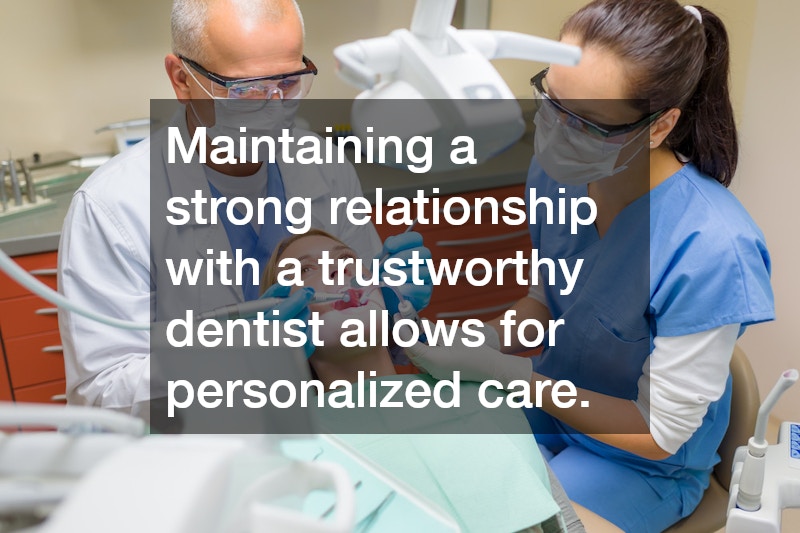
Selecting a reliable dentist is crucial for maintaining oral health. A general or family dentist often acts as the primary provider for preventive care, routine cleanings, and early diagnosis of dental problems. Choosing wisely ensures that patients receive high-quality care consistently.
Factors to Consider When Selecting a Dentist:
-
Certifications and Credentials: Verify that the dentist is licensed and, if relevant, holds additional certifications in specialties such as periodontics or orthodontics.
-
Experience: Long-standing practices typically demonstrate stability and consistent service quality.
-
Patient Reviews: Online reviews and word-of-mouth recommendations reveal common experiences regarding professionalism, responsiveness, and patient satisfaction.
Consultation Tips:
-
Ask about diagnostic tools used, such as digital X-rays or intraoral cameras.
-
Inquire about the approach to preventive care, including education on home hygiene practices.
-
Clarify insurance acceptance, payment options, and cost transparency for procedures.
Maintaining a strong relationship with a trustworthy dentist allows for personalized care, early intervention, and peace of mind in your oral health journey. This foundational step supports preventive strategies and reduces the likelihood of emergency interventions.
Supporting Career Growth in Health Care
For individuals interested in the healthcare field, online medical assistant programs offer accessible opportunities to gain knowledge and skills. These programs are particularly valuable for understanding patient care, administrative procedures, and basic medical practices that complement oral and general health awareness.
Benefits of Online Programs:
-
Flexible schedules allow students to balance work, family, and study commitments.
-
Accredited programs provide certifications recognized by employers.
-
Practical modules often include virtual simulations, preparing students for real-world patient interactions.
Enhancing Knowledge for Personal and Family Health:
-
Understanding medical terminology and common procedures helps patients navigate their own care.
-
Awareness of basic clinical practices aids in understanding recommendations from dentists or physicians.
-
Graduates can contribute to community health by assisting professionals in clinics, urgent care centers, or dental offices.
Pursuing education in healthcare strengthens both career potential and personal capacity to make informed decisions about oral and overall wellness.
Integrating Nutrition Into Oral Health
Nutrition directly impacts oral health. Consuming a diet rich in vitamins, minerals, and antioxidants supports teeth and gums while promoting systemic wellness. Simple changes in hydration and food choices can yield substantial long-term benefits.
Alkaline Water for Oral and General Health:
-
Alkaline water helps neutralize acidity in the mouth, potentially reducing enamel erosion.
-
Supports hydration and may contribute to overall body pH balance.
-
A convenient addition to daily routines, complementing other preventive measures.
Selecting Nutritious Foods:
-
Visit local health food stores to find nutrient-dense options, such as leafy greens, nuts, and fortified products.
-
Focus on foods high in calcium, phosphorus, and vitamin D to strengthen teeth.
-
Limit sugary and acidic foods that contribute to decay and enamel weakening.
Integrating Habits Into Daily Life:
-
Maintain consistent meal timing and hydration to optimize digestion and oral health.
-
Use mindful eating practices to reduce snacking on high-sugar items.
-
Encourage family-wide adoption of healthy choices to establish sustainable routines.
Nutrition and hydration complement professional dental care, enhancing the results of cosmetic and preventive services.
Supporting Loved Ones With At-Home Assistance
For seniors or individuals with mobility challenges, local home care services play a vital role in maintaining oral and general health. Caregivers provide practical support and ensure routines are followed consistently.
Oral Health Assistance:
-
Aid with brushing, flossing, and denture care to prevent gum disease or decay.
-
Monitor for signs of discomfort, swelling, or infection that require professional attention.
-
Coordinate appointments with dental professionals to ensure timely checkups.
Comprehensive Wellness Support:
-
Facilitate medication management and nutritional guidance.
-
Help maintain a clean, safe environment that reduces the risk of accidents or illness.
-
Provide emotional support, enhancing adherence to health routines.
Choosing a Local Home Care Provider:
-
Verify the licensing, training, and experience of caregivers.
-
Consider compatibility and communication with family members and medical professionals.
-
Establish schedules and routines to ensure consistency and accountability.
Local home care strengthens daily health maintenance and allows individuals to age safely in place.
Accessing Immediate Medical Support
When to Visit a Walk-In Clinic:
-
Minor injuries such as sprains, cuts, or burns
-
Acute illnesses like flu, infections, or fevers
-
Issues requiring immediate evaluation but not emergency room care
Benefits of Walk-In Clinics:
-
Short wait times and flexible hours for busy schedules
-
Access to basic diagnostic testing, prescriptions, and preventive services
-
Coordination with primary care providers for continuity of care
Optimizing Care:
-
Keep a record of visits and treatments for future reference
-
Understand which conditions require referral to a specialist or hospital
-
Combine professional guidance with routine wellness strategies to reduce long-term complications
Walk-in clinics provide a bridge between daily health management and emergency care, ensuring timely intervention.
Exploring Complementary Health Practices
Alternative medicine practices can complement traditional dental and medical care when approached responsibly. These methods often focus on holistic wellness and preventive care, supporting both physical and mental health. When used thoughtfully, complementary approaches may help individuals manage stress, improve daily habits, and promote overall balance, which can positively influence oral health, immune function, and long-term wellbeing.
Common Practices:
Acupuncture or acupressure for stress reduction and pain management, which may help alleviate jaw tension, headaches, and anxiety often associated with dental discomfort or medical treatments.
Herbal supplements or dietary approaches to support immune function, inflammation control, and digestive health, all of which play a role in how the body responds to illness and recovery.
Mindfulness techniques that improve sleep and reduce chronic stress, such as meditation, breathing exercises, or yoga, which can help regulate cortisol levels and support healthier lifestyle choices.
Nutrition-focused practices that emphasize whole foods and hydration to support energy levels and tissue repair.
Safety Considerations:
Always consult medical professionals before integrating alternative therapies to ensure they do not interfere with prescribed treatments or medications.
Ensure products and treatments are evidence-based and sourced from reputable providers with transparent practices.
Use complementary approaches as supportive, not replacement, strategies for conventional dental and medical care.
Monitor your body’s response to new therapies and discontinue use if adverse effects occur.
Alternative medicine emphasizes a proactive, integrative approach, encouraging patients to consider lifestyle, diet, stress management, and emotional wellbeing alongside professional care. When aligned with evidence-based medical guidance, these practices can support healthier routines, improve resilience, and contribute to a more balanced approach to long-term health maintenance.
Adopting a comprehensive approach to oral and overall health ensures long-term wellness and quality of life. By integrating preventive dental care, regular medical attention, nutritional strategies, and complementary practices, individuals create a foundation for sustainable health. Selecting skilled professionals, staying informed about procedures, and maintaining consistent routines strengthens both oral and systemic wellness. Proactive choices and strategic planning allow for smoother, healthier daily living while reducing the likelihood of costly interventions.
A well-rounded strategy emphasizes interconnected health practices, from professional guidance to personal habits, demonstrating that small, intentional actions have a profound cumulative impact. When oral care aligns with medical awareness and lifestyle balance, individuals are better equipped to manage stress, prevent chronic issues, and maintain physical comfort as they age. Consistency plays a critical role, as routine checkups, mindful nutrition, and healthy habits reinforce one another over time.
Equally important is the willingness to adapt as needs change. Health priorities evolve with age, lifestyle shifts, and personal circumstances, making flexibility and ongoing education essential. Staying engaged with trusted providers, asking questions, and reassessing routines ensures that care remains effective and aligned with long-term goals. Preventive efforts not only protect physical health but also support confidence, productivity, and emotional well-being.
By viewing wellness as an ongoing process rather than a series of isolated tasks, individuals can make informed decisions that promote balance and resilience. Thoughtful planning encourages early detection, minimizes disruptions, and empowers people to take ownership of their health journey. Ultimately, committing to prevention, awareness, and intentional care creates a sustainable framework for well-being—one that supports not just longevity, but a higher quality of life for years to come.