

A confident smile can affect how comfortably you communicate, connect with other people, and present yourself in situations where first impressions matter. Whether you are meeting someone for the first time, speaking to a group, attending a major celebration, or appearing in photographs, feeling comfortable with your smile can make it easier to focus on the moment instead of worrying about your appearance.
Maintaining good oral health can support that confidence over time. Regular care, attention to concerns, and preparation before important occasions can all help you feel more comfortable putting your smile forward when opportunities arise.
Build a Strong Foundation for a Confident Smile
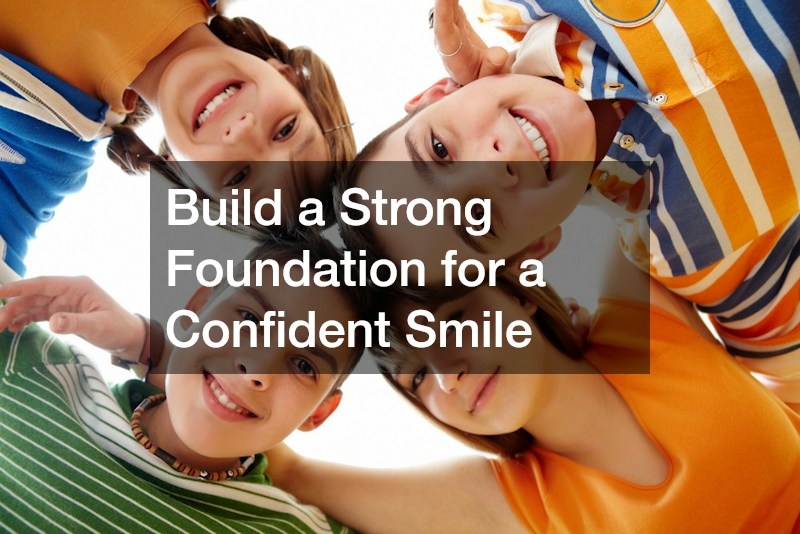
A confident smile starts with taking care of your oral health consistently. When your teeth and gums feel healthy and comfortable, you may be less likely to think about hiding your smile during conversations or social interactions. Regular dental care also allows you to discuss concerns that may affect how comfortable you feel about your appearance.
Family dentists can help make dental care part of a regular routine rather than something you only consider when a problem develops. Maintaining that relationship can make it easier to bring up concerns about your smile and learn about appropriate ways to care for it.
- Keep routine dental appointments instead of waiting for a problem to interfere with your confidence.
- Talk openly about concerns that make you hesitant to smile or speak comfortably.
- Maintain consistent brushing and flossing habits between professional appointments.
- Ask questions when you notice changes in your teeth, gums, or overall oral comfort.
Taking these steps can give you a stronger foundation for feeling comfortable with your smile in everyday situations. When dental care becomes routine, you can spend less time worrying about your teeth and more time engaging with the people around you.
Use Available Benefits to Maintain Your Smile
Consistent dental care can be easier to maintain when you have access to benefits through work. Business health insurance plans may give employees access to coverage that can help them manage certain aspects of their health care, making it worthwhile to understand what benefits are available and how they can fit into a regular dental routine.
Taking advantage of available benefits can help prevent dental care from becoming something you continually postpone. Rather than waiting until a concern becomes noticeable enough to affect your confidence, you can make routine care part of your ongoing schedule.
- Review your available benefits so you understand what dental services may be covered.
- Find out whether your preferred dental provider participates in your available plan.
- Schedule routine appointments around your work responsibilities instead of continually putting them off.
- Address concerns early when they begin affecting your comfort or willingness to smile.
Maintaining your smile is ultimately about more than appearance. Regular access to care can help you stay comfortable and confident when you need to communicate, meet new people, or make a strong impression in professional and personal situations.
Present Yourself With Confidence in Professional Settings
A confident smile can be particularly valuable for people whose careers depend on communication and personal interaction. Entrepreneurs may spend considerable time meeting potential clients, networking, presenting ideas, attending events, and speaking with business partners. In those situations, feeling comfortable with your appearance can make it easier to concentrate on what you are saying.
An entrepreneur coaching program may help professionals develop communication, leadership, or presentation skills, but confidence also comes from feeling comfortable with the way you present yourself. A natural smile can contribute to a more approachable and self-assured presence without becoming the sole focus of an interaction.
- Practice speaking clearly while maintaining comfortable eye contact.
- Prepare for important meetings so your attention stays on your message.
- Address dental concerns before major presentations rather than waiting until afterward.
- Let your expressions remain natural instead of constantly monitoring your smile.
Your smile does not have to be perfect to support professional confidence. Feeling comfortable enough to smile naturally can simply help your personality, preparation, and communication skills come through more clearly.
Make a Strong Impression When Speaking in Court
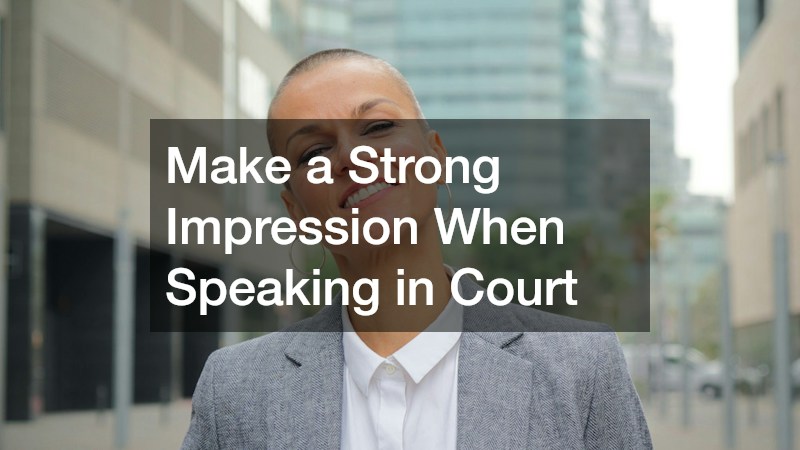
Some careers place people directly in front of an audience where communication and presentation are central to the work. Attorneys, for example, may need to address judges, juries, opposing counsel, witnesses, and clients. In those circumstances, feeling comfortable with your smile can be one small part of feeling prepared to speak with confidence.
A criminal defense attorney may spend significant time communicating in formal legal settings, including situations where clear speech, composure, and professional presentation matter. A confident smile does not determine the outcome of a case, but being comfortable with your appearance can help keep self-consciousness from becoming an unnecessary distraction while speaking.
- Maintain regular dental care when your profession involves frequent public speaking.
- Address concerns that make you reluctant to smile or speak before important appearances.
- Practice presentations and courtroom statements so confidence comes from preparation as well as appearance.
- Keep your facial expressions natural rather than concentrating on whether you look perfect.
In a courtroom, your knowledge and legal preparation remain central to your professional responsibilities. Feeling comfortable with your smile can simply remove one potential source of self-consciousness when you are standing in front of others and need to communicate clearly.
Stay Confident When Representing Clients After an Injury
Personal injury attorneys can also spend considerable time communicating publicly and professionally. Meetings with clients, negotiations, consultations, and courtroom appearances can require attorneys to speak confidently and maintain a composed professional presence. A comfortable smile can complement that presentation by helping the attorney interact naturally.
Someone looking for the best local personal injury attorneys may notice many aspects of an attorney’s professional presence when deciding whom to contact. A confident smile alone does not determine an attorney’s abilities or qualifications, but comfort with one’s appearance can contribute to the way a professional presents themselves during frequent face-to-face interactions.
- Maintain dental care when your work involves regular meetings and public communication.
- Prepare for presentations so your confidence comes from knowledge and practice.
- Address smile concerns that make you hesitant to interact naturally with clients.
- Focus on listening and communicating rather than becoming distracted by your appearance.
For professionals who regularly advocate for others, confidence can help support clear and engaged communication. Taking care of your smile is one practical way to feel more comfortable when your work puts you directly in front of clients, colleagues, or a courtroom.
Feel Ready to Smile During Important Celebrations
Major milestones can put your smile in the spotlight. Weddings, graduations, anniversaries, and other celebrations often involve photographs, conversations with guests, introductions, and hours of social interaction. When you know there will be plenty of opportunities to smile, feeling comfortable with your teeth can make the occasion more enjoyable.
Wedding receptions are a good example because people may spend much of the event talking, laughing, greeting guests, and posing for photographs. Preparing your smile well in advance can help you avoid making dental concerns a last-minute source of stress.
- Keep routine dental appointments scheduled as an important event approaches.
- Discuss concerns about your smile early enough to understand your options.
- Avoid waiting until immediately before the event to address a longstanding concern.
- Focus on enjoying photographs and conversations instead of trying to hide your smile.
The goal is not to create an artificial appearance for one special day. It is to feel comfortable enough to smile freely while celebrating an important milestone with the people who matter to you.
Let Your Smile Be Part of Everyday Connections

Confidence in your smile can matter just as much during ordinary social interactions as it does during major events. A birthday gathering, dinner with friends, or casual conversation can involve plenty of smiling and laughter. Feeling comfortable with your appearance can make those moments feel more natural.
Even a simple gesture such as birthday flowers can become part of a meaningful social interaction. The point is not the appearance of the gift or the person receiving it, but the connection created by thoughtful gestures, conversation, and shared experiences.
- Smile naturally during conversations instead of automatically trying to hide your teeth.
- Focus on the people you are spending time with rather than monitoring every expression.
- Maintain your regular dental routine before and after social gatherings.
- Remember that genuine confidence does not require a flawless smile.
A comfortable smile can make it easier to participate fully in everyday moments. When you are not constantly worrying about how your teeth look, you may feel freer to laugh, talk, take photographs, and enjoy time with other people.
Help Children Build Confidence From an Early Age
Confidence around smiling and speaking can begin developing during childhood. Children interact with teachers, classmates, family members, and friends every day, giving them many opportunities to communicate and build relationships. Feeling comfortable with their teeth can be one small factor that supports their willingness to participate.
Parents can encourage healthy dental habits without making a child’s appearance the focus. Environments such as the best private preschools can give children opportunities to develop social confidence, communicate with peers, and become comfortable participating in group activities.
- Make brushing and flossing regular parts of a child’s daily routine.
- Use positive language about dental care rather than criticizing a child’s appearance.
- Encourage children to ask questions when something about their teeth feels uncomfortable.
- Treat dental visits as a normal part of staying healthy rather than something to fear.
The goal is to help children understand that taking care of their teeth supports comfort and health. That foundation can also help them feel more comfortable smiling, speaking, and participating as they grow.
Build Confidence for Client-Facing Careers
A confident smile can be particularly relevant in professions where people work closely with clients and spend much of the day communicating face-to-face. When a career involves personal interaction, professionals may want to feel comfortable with their expressions, speech, and overall presentation.
Students preparing for careers in personal care and beauty may encounter these expectations early in their education. Esthetician schools, for example, can prepare students for work that involves direct interaction with clients, making communication and professional presentation important parts of the experience.
- Practice communicating clearly while maintaining natural eye contact.
- Develop professional habits that help you feel comfortable interacting with clients.
- Address dental concerns that make you hesitant to smile during conversations.
- Remember that expertise and communication are just as important as appearance.
A confident smile can support a welcoming professional presence without being the most important quality a person brings to their work. When you feel comfortable smiling, you can give more attention to listening, explaining services, building relationships, and demonstrating your skills.
Feel Comfortable When Your Smile Is Seen and Heard

Some careers and creative opportunities put people directly in front of cameras, microphones, audiences, or recording equipment. In these environments, expressions and communication can become part of the final product, making it especially important for people to feel comfortable presenting themselves.
Record production is one example of a setting where people may work in highly collaborative and public-facing environments. Whether someone is performing, interviewing, presenting, or participating in another recorded setting, worrying about their smile can become an unnecessary distraction from the work.
- Maintain regular dental care instead of waiting until an appearance is approaching.
- Discuss concerns early if they affect your willingness to smile in front of cameras.
- Practice speaking and presenting so confidence is supported by preparation.
- Focus on communicating naturally instead of trying to control every expression.
Feeling comfortable with your smile can make it easier to appear naturally confident when you know you are being recorded. That comfort can allow you to concentrate on your message, performance, or professional responsibilities instead of constantly thinking about your appearance.
A confident smile can open doors because it can make it easier to communicate, participate, and present yourself naturally in situations where your appearance is part of the interaction. Whether you are speaking with clients, addressing a courtroom, attending a celebration, interacting with children, or appearing in front of a camera, feeling comfortable with your smile can remove one source of self-consciousness.
The value of a confident smile is not simply how it looks. It is the freedom to smile, speak, laugh, and interact without constantly wondering whether you should hide your teeth. That freedom can help you show up more naturally for the professional opportunities, relationships, celebrations, and experiences that make life meaningful.

