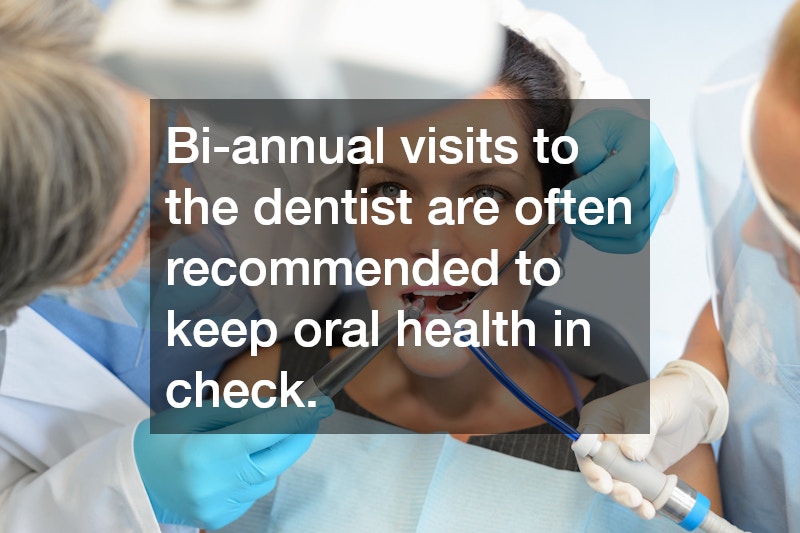

Visiting the dentist for the first time can be a mixed bag of emotions. It’s common to feel a sense of apprehension coupled with the need to ensure your oral health is in check. Understanding what to expect during your initial visit can help to alleviate any anxiety you might have. This article aims to provide a comprehensive rundown of what typically happens at a dental appointment, ensuring you’re well-prepared.
By the end, your concerns about meeting the dentist for the first time will hopefully transform into a sense of comfort and anticipation about looking after your dental health.
Upon arrival at the dentist’s office, you may be greeted by the reception staff who will guide you through the initial check-in process. This includes filling out necessary dental forms and insurance details if applicable. The waiting area is usually designed to be calming and welcoming, relieving any nervousness you may have. It’s important to arrive a bit early, allowing sufficient time to complete this paperwork without feeling rushed. Remember, the dentist and staff work to create a stress-free environment and understand the common concerns of new patients.
Once the paperwork is complete, the dental assistant or hygienist may call you in for the preliminary checks. These checks include updating your medical history and discussing any specific concerns you may have. The dental team is trained to listen attentively to your needs and to begin building a rapport. Although the thought of meeting the dentist might feel intimidating, remember that they are there to help you achieve the best oral health possible. Feeling informed and knowing what to expect can significantly improve your first dental visit experience.
The Examination Process and Understanding Dental Procedures
Once settled into the dental chair, the dentist will perform an initial examination of your mouth. This typically involves a visual check of your teeth, gums, and mouth tissues. They might use a small mirror and a handheld instrument to thoroughly inspect your oral health. The goal at this stage is to identify any signs of cavities, gum disease, or other potential issues. Although this part of the procedure may feel like an intrusion into your personal space, it’s a vital component that allows the dentist to assess your dental needs accurately.
Following the initial examination, the dentist will likely recommend getting X-rays. Dental X-rays provide a more comprehensive view of areas that aren’t visible during a standard check-up, such as between teeth and the roots. It’s a standard practice aimed at identifying underlying problems that could affect your oral health. This includes checking for wisdom teeth growth, impacted teeth, and jaw bone pathology. While the process of taking X-rays is quick and painless, discussing your concerns with the dentist can help put your mind at ease.
With all the necessary information gathered, the dentist will discuss their findings with you. They may go over the status of your oral health and suggest a treatment plan tailored to your needs. This is also a fantastic opportunity to ask questions or express any specific concerns you might have about the procedures or treatments suggested. The dentist aims to demystify jargon-filled information into understandable terms. The idea is to educate and empower you to make informed decisions regarding your dental care plan.
Establishing a Dental Care Routine and Follow-Up Appointments
Your dentist appointment is the perfect opportunity to discuss establishing a solid oral hygiene routine. The dentist or hygienist will discuss brushing techniques and the importance of flossing to ensure the health of your teeth and gums. They may also introduce you to products that are specifically designed to target any problems you might face, such as sensitivity or areas prone to plaque buildup. Reinforcement of these practices is aimed at preventing future dental issues. Establishing these good habits can go a long way in maintaining a healthy smile.
The first appointment also serves to set the frequency of regular dental check-ups. Bi-annual visits to the dentist are often recommended to keep oral health in check. During these routine visits, the dentist can monitor any changes in your dental health and carry out preventive treatments if needed. Regular appointments help to catch problems early on, potentially saving more intensive procedures in the future. Building this relationship with your dentist makes it easier to maintain a track record of your oral health journey.
Concluding your first dental visit often involves making further appointments if necessary. Based on your consultation and results, the dentist may recommend treatments or procedures that require additional visits. They’ll explain the rationale behind these recommendations, ensuring you’re comfortable with any next steps. Scheduling these follow-up appointments timely is crucial to maintaining ongoing oral health. With this newfound knowledge and confidence, your initial apprehension about visiting the dentist will likely give way to a proactive approach to your dental healthcare.