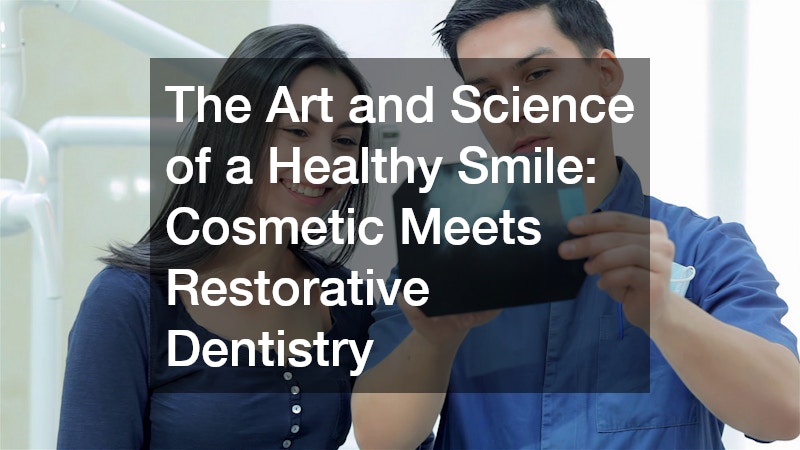

A healthy smile is more than just an aesthetic asset—it is a reflection of overall oral health, self-confidence, and well-being. Modern dentistry has evolved to combine both cosmetic and restorative approaches, ensuring that patients not only achieve beautiful smiles but also maintain proper function and long-term oral health. From teeth whitening and veneers to crowns, bridges, and implants, the integration of cosmetic and restorative dentistry provides comprehensive solutions tailored to individual needs. This blog explores the key concepts, techniques, and benefits of combining cosmetic and restorative dentistry, helping you understand how these approaches work together to create healthy, radiant smiles that last a lifetime.
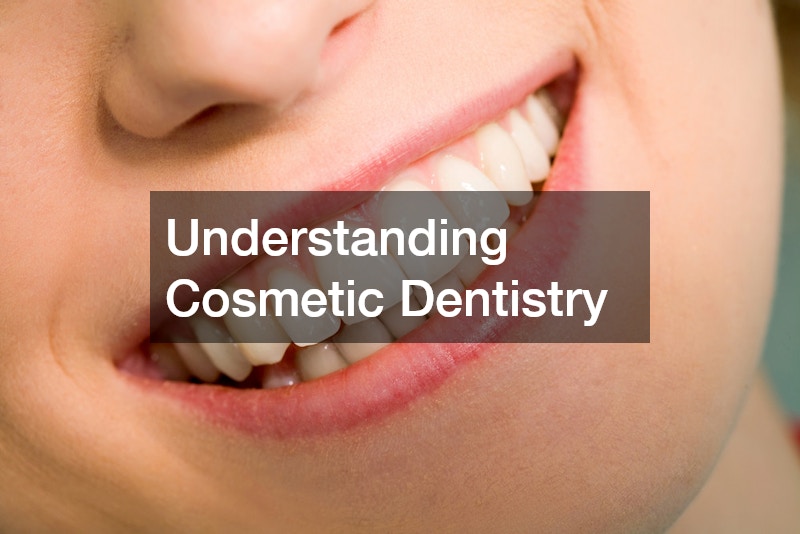
Understanding Cosmetic Dentistry
A cosmetic dentist focuses on improving the appearance of teeth, gums, and overall smile aesthetics. It addresses concerns such as discoloration, misalignment, gaps, chipped teeth, and uneven tooth shapes. Common cosmetic procedures include teeth whitening, porcelain veneers, dental bonding, and orthodontic treatments. These procedures are often elective and tailored to meet a patient’s aesthetic goals. While cosmetic dentistry enhances the visual appeal of a smile, it also contributes to self-confidence and emotional well-being. Patients often report feeling more comfortable in social interactions and professional settings after cosmetic improvements. By addressing surface-level imperfections, cosmetic dentistry lays the foundation for a confident and healthy smile.
The Importance of Restorative Dentistry
Restorative dentistry focuses on repairing and restoring the function, integrity, and health of damaged or missing teeth. Common restorative procedures include crowns, bridges, dental implants, dentures, root canal therapy, and fillings. Unlike cosmetic dentistry, restorative treatments prioritize oral function and long-term health, though many modern restorations are designed to look natural and aesthetically pleasing. Restorative dentistry addresses issues caused by decay, injury, wear, or genetic conditions, ensuring that patients can chew, speak, and maintain proper jaw alignment. By combining restorative and cosmetic approaches, patients achieve a balance between functional health and visual appeal, creating smiles that are both beautiful and durable.
How Cosmetic and Restorative Dentistry Work Together
The intersection of cosmetic and restorative dentistry allows for comprehensive smile makeovers that address both appearance and function. For example, a patient with damaged or missing teeth can receive dental implants to restore chewing ability while also benefiting from dental veneer or whitening treatments to enhance aesthetics. Combining these approaches ensures that restorative work looks natural and integrates seamlessly with surrounding teeth. Dentists carefully plan procedures, considering factors such as tooth color, shape, alignment, bite, and overall facial structure. This holistic approach allows patients to achieve harmonious, long-lasting results that improve confidence, comfort, and oral health simultaneously.
Teeth Whitening and Restorative Care
Teeth whitening is one of the most popular cosmetic dental procedures, designed to remove stains and discoloration caused by aging, food, or lifestyle habits like smoking. While whitening enhances the appearance of natural teeth, it is important to assess any existing restorative work before beginning treatment. Crowns, veneers, and fillings do not respond to whitening agents, which can create color inconsistencies. A dentist will often coordinate whitening with restorative procedures to ensure a uniform, natural-looking smile. In some cases, restorative work may be replaced or adjusted after whitening to match the new tooth color. Integrating cosmetic whitening with restorative care ensures that the final results are cohesive, bright, and balanced.
Veneers: Cosmetic Enhancement with Functional Benefits
Porcelain veneers are thin, custom-made shells designed to cover the front surface of teeth, improving appearance while offering added strength. Veneers can correct discoloration, minor misalignment, chips, and gaps, creating a uniform and attractive smile. When combined with restorative dentistry, veneers not only enhance aesthetics but also protect compromised tooth surfaces. For instance, teeth with enamel erosion, fractures, or minor decay may benefit from veneers as a protective and cosmetic solution. Dentists carefully evaluate the structural integrity of teeth before placing veneers to ensure long-term success. This combination of beauty and function exemplifies the synergy of cosmetic and restorative dentistry.
Dental Crowns: Restoring Strength and Beauty
Dental crowns are restorative caps placed over damaged or weakened teeth to restore their shape, strength, and function. Modern crowns are often made from porcelain or ceramic materials that closely mimic natural teeth, allowing for aesthetic enhancement alongside functional restoration. Crowns can correct cracked, worn, or heavily decayed teeth while improving bite alignment and overall smile appearance. In cosmetic-restorative smile makeovers, crowns are carefully designed to match surrounding teeth in color, shape, and size, creating a seamless and natural look. By integrating cosmetic considerations into restorative solutions, crowns help patients achieve durable and visually appealing results.
Dental Implants: Function Meets Aesthetics
Dental implants are a revolutionary restorative solution for missing teeth. Implants involve surgically placing a titanium post into the jawbone, which acts as a root replacement, followed by a crown to restore the visible portion of the tooth. Implants offer long-term stability, preserve bone density, and restore natural chewing function. When paired with techniques from cosmetic dentists like color-matched crowns or adjacent tooth whitening, implants create a cohesive, natural-looking smile. Dental implants are especially beneficial for patients seeking both functional restoration and cosmetic enhancement, providing a permanent solution that closely resembles natural teeth in appearance and performance.

Bridges and Partial Dentures: Restoring Gaps Beautifully
For patients missing one or multiple teeth, dental bridges and partial dentures provide effective restorative solutions. Bridges involve anchoring a false tooth to adjacent healthy teeth, while partial dentures use a removable appliance to fill gaps. Modern materials and design techniques allow both options to look highly natural and blend seamlessly with existing teeth. Combining these restorative treatments with cosmetic enhancements such as teeth whitening or contouring ensures a uniform and harmonious smile. Patients benefit from improved chewing function, better speech, and the aesthetic appeal of a complete smile.
Root Canal Therapy: Saving Natural Teeth
Root canal therapy is a restorative procedure designed to save teeth that are severely infected or damaged. By removing infected pulp and sealing the tooth, dentists can prevent extraction and preserve natural function. Following a root canal, a crown is often placed to protect the treated tooth and restore its appearance. Integrating cosmetic planning ensures the crown matches the surrounding teeth in color and shape, maintaining a consistent and beautiful smile. This combination of restorative and cosmetic care allows patients to retain natural teeth while enhancing aesthetics and oral function.
Orthodontics: Aligning for Health and Beauty
Orthodontic treatment, including braces and Invisalign, addresses misalignment, crowding, and bite issues. While often considered a cosmetic treatment for improving smile appearance, proper alignment also has restorative benefits. Straight teeth reduce wear, improve chewing efficiency, and make oral hygiene easier, decreasing the risk of decay and gum disease. Orthodontics can be integrated with cosmetic dentistry, such as whitening or veneers, once alignment is complete, resulting in a polished and healthy smile. By combining aesthetic goals with functional improvement, patients achieve both confidence and long-term oral health benefits.
Gum Contouring and Periodontal Health
Healthy gums are a crucial component of a beautiful smile. Cosmetic procedures such as gum contouring reshape uneven gum lines for improved aesthetics, while restorative approaches focus on treating periodontal disease to maintain gum health. Periodontal therapy may involve scaling and root planing, laser treatments, or surgical intervention to restore gum tissue and prevent tooth loss. Coordinating cosmetic and restorative care from a local dentist ensures patients achieve both visually appealing and healthy gums, contributing to a balanced and harmonious smile. Strong, well-maintained gums also support the longevity of restorations like crowns, bridges, and implants.
Maintaining Your Smile Long-Term
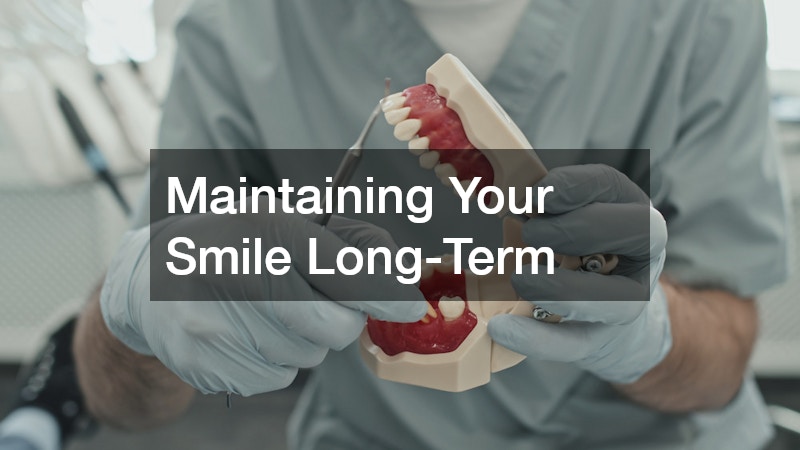
Achieving a healthy and beautiful smile is just the beginning. Long-term maintenance is essential to preserve the results of cosmetic and restorative treatments. Regular dental checkups, professional cleanings, and at-home oral hygiene practices—including brushing, flossing, and using mouthwash—help prevent decay and gum disease. Patients should also monitor wear on restorations and consult their dentist about protective measures like night guards for teeth grinding or custom trays for whitening touch-ups. Lifestyle factors such as a balanced diet, limiting sugary foods and beverages, and avoiding tobacco products contribute to overall oral health. With consistent care, patients can enjoy a lasting, confident smile.
The Emotional Impact of a Healthy Smile
A beautiful, functional smile has profound effects on self-esteem, social interactions, and overall quality of life. Patients who invest in cosmetic and restorative dentistry often report increased confidence, greater willingness to engage socially, and even improved career opportunities. Beyond aesthetics, knowing that your teeth are healthy and well-maintained reduces anxiety related to oral health issues. By addressing both the cosmetic and restorative aspects of a smile, dentists help patients achieve not only functional and visual improvements but also enhanced emotional and psychological well-being.
Choosing the Right Dentist for Combined Care
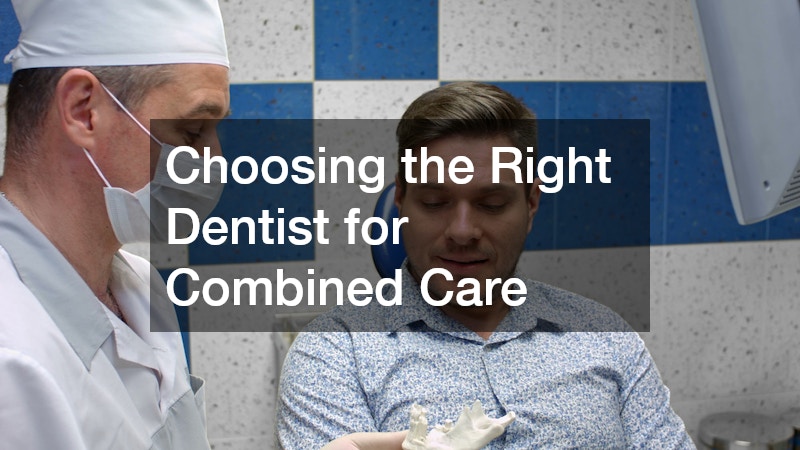
To maximize the benefits of cosmetic and restorative dentistry, it is essential to work with a skilled dental office in both disciplines. Look for professionals who offer comprehensive evaluations, personalized treatment plans, and a collaborative approach that considers aesthetics, function, and long-term oral health. Board certifications, patient reviews, and before-and-after portfolios can provide insight into a dentist’s expertise. A knowledgeable dentist will guide you through options, prioritize minimally invasive treatments, and ensure that cosmetic enhancements complement restorative procedures. Choosing the right provider is a critical step in achieving a seamless, healthy, and beautiful smile.
Smile Design: Personalizing Your Perfect Smile
Smile design is a modern approach in cosmetic and restorative dentistry that tailors dental treatments to each patient’s facial features, personality, and lifestyle. Dentists analyze tooth shape, color, gum lines, and bite to create a harmonious and natural-looking smile. Advanced digital imaging allows patients to preview potential results before procedures begin, ensuring satisfaction and confidence. Combining smile design with restorative solutions like crowns, veneers, and implants ensures both functionality and aesthetics. This personalized approach gives patients a smile that not only looks beautiful but also complements their overall facial appearance and oral health.
Minimally Invasive Dentistry for Maximum Results
Minimally invasive techniques are transforming cosmetic and restorative dentistry by preserving as much natural tooth structure as possible. Procedures such as laser treatments, conservative fillings, and thin veneers reduce discomfort, speed recovery, and maintain long-term tooth health. By focusing on prevention and conservative treatment, dentists can enhance both the function and appearance of teeth without unnecessary removal of healthy enamel. Patients benefit from less invasive procedures, improved outcomes, and smiles that look natural while remaining durable and healthy for years. Minimally invasive dentistry exemplifies the synergy between cosmetic enhancement and restorative care.
Advancements in Dental Technology
Modern dental technology has revolutionized both cosmetic and restorative dentistry, allowing for more precise, efficient, and comfortable treatments. Digital imaging, 3D scanning, and computer-aided design (CAD/CAM) systems enable dentists to create highly accurate crowns, veneers, and implants that fit perfectly and look natural. Laser dentistry and minimally invasive tools reduce discomfort and speed up recovery, while advanced materials mimic the appearance and strength of natural teeth. These technological innovations enhance the results of both cosmetic enhancements and restorative procedures, ensuring patients receive smiles that are not only beautiful but durable, functional, and long-lasting.

Patient Education: The Key to Lasting Oral Health
Patient education is essential for maintaining the results of cosmetic and restorative treatments. Understanding proper oral hygiene practices, dietary impacts, and the importance of regular dental checkups empowers patients to protect their investment in their smile. A local dentist provides guidance on brushing, flossing, and caring for restorations like crowns, implants, and veneers. Educated patients are more likely to recognize early signs of wear or potential problems, ensuring timely intervention. By combining professional care with informed self-care, patients can enjoy long-lasting, healthy, and beautiful smiles that truly reflect the art and science of modern dentistry.
The art and science of a healthy smile lies in the seamless integration of cosmetic and restorative dentistry. While cosmetic procedures enhance aesthetics and confidence, restorative treatments ensure long-term function, structural integrity, and oral health. Together, these approaches create comprehensive solutions tailored to individual needs, enabling patients to achieve smiles that are beautiful, durable, and functional. By understanding the benefits, techniques, and maintenance involved, you can make informed decisions about your oral care and embark on a journey toward lasting dental wellness. With expert guidance and a commitment to consistent care, a radiant, healthy smile is not only achievable but sustainable for years to come.