
Maintaining excellent oral health for an entire household is one of the most impactful investments you can make in your family’s overall well-being. From a toddler’s very first tooth to a grandparent’s restorative dental work, oral care needs continuously evolve throughout every stage of life. Modern dentistry has expanded far beyond reactive tooth pulling and simple fillings. Today, family-focused oral healthcare emphasizes preventative strategies, advanced technology, minimally invasive procedures, and customized aesthetic enhancements designed to last a lifetime.
Navigating the vast array of available treatments, specialized practitioners, and care philosophies can feel overwhelming for busy parents and individuals. Balancing scheduling logistics, anxiety management, routine hygiene, and unexpected urgent care requires a clear understanding of what modern clinical options exist. This comprehensive guide serves as a practical roadmap to help you make informed, confident decisions about your household’s oral health, ensuring every family member enjoys a strong, functional, and radiant smile.
Evaluating Primary Care for Whole-Family Oral Health
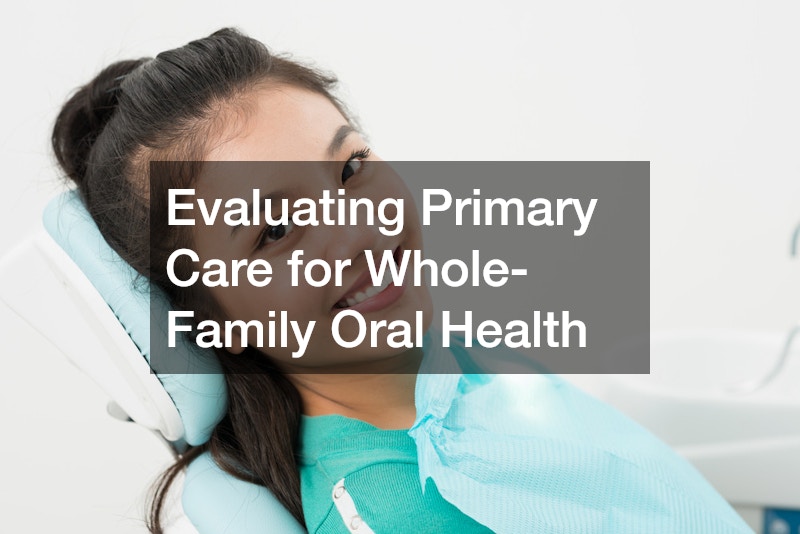
Selecting the right foundational provider for your household sets the tone for years of oral health habits. Primary dental care serves as the first line of defense against gum disease, tooth decay, and structural misalignments. When evaluating potential practice environments, families should look beyond basic convenience and assess the clinic’s commitment to modern diagnostics, rigorous safety standards, and patient-centered care.
High-quality practices invest in updated technological infrastructure, such as low-radiation digital X-rays, intraoral cameras, and 3D imaging systems. These tools allow practitioners to detect potential issues beneath the enamel or bone surface long before they manifest as painful conditions. Furthermore, modern equipment drastically improves patient education; seeing a high-definition image of a fractured seal or early decay helps patients understand necessary treatments rather than feeling pressured into unexpected procedures.
For busy households, operational efficiency is just as crucial as clinical excellence. A well-managed dental clinic understands the logistical hurdles of family schedules and offers block appointments, allowing multiple family members to receive checkups during a single visit. Centralized digital health records ensure that a teenager’s orthodontic tracking, a parent’s preventative routine, and a toddler’s developmental monitoring are seamlessly managed under one roof.
Consistency in primary care also plays a significant role in reducing dental apprehension. When children and adults visit the same general dentists over several years, a foundation of trust is established. This ongoing relationship transforms routine checkups from a dreaded chore into a predictable, stress-free health check, ensuring that preventative care remains a consistent priority across generations.
Establishing Early Habits and Stress-Free Visits for Children
A child’s early experiences with dental care shape their attitude toward oral hygiene well into adulthood. Dental professionals generally recommend that a child’s first visit occur within six months of the eruption of their first tooth, or no later than their first birthday. These initial visits are primarily focused on familiarizing the child with the clinical setting, evaluating jaw development, and guiding parents on proper infant oral care.
Creating a positive, fear-free environment requires a gentle approach tailored specifically to developing minds. Early pediatric care focuses heavily on preventative measures that protect soft primary enamel. Professional fluoride applications and dental sealants—thin, protective coatings painted onto the chewing surfaces of back molars—act as formidable shields against cavity-causing bacteria in hard-to-reach grooves.
Beyond clinical application, specialized childhood dental guidance addresses common developmental habits such as thumb-sucking, prolonged pacifier use, and mouth-breathing. If left unchecked, these behaviors can alter jaw growth and lead to severe bite misalignments. A skilled pediatric dentist possesses the unique behavioral management training required to communicate effectively with young patients, using child-friendly language to explain procedures and demystify the dental chair.
Parental preparation is equally important in establishing stress-free visits. Framing dental appointments with positive, neutral language at home prevents the transfer of adult anxieties to the child. Celebrating successful visits with non-food rewards reinforces good behavior, making oral healthcare an empowering, routine aspect of growing up.
Discreet Orthodontic Options for Teens and Adults
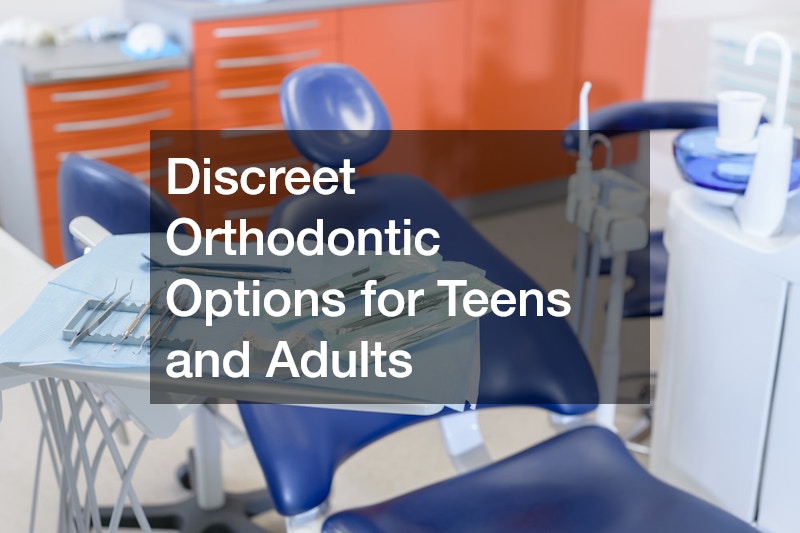
Misaligned teeth affect more than just the visual balance of a smile; they can lead to uneven tooth wear, difficulty maintaining proper oral hygiene, jaw pain, and impaired chewing function. Historically, correcting bite issues meant wearing prominent metal brackets for several years. While traditional appliances remain highly effective for complex structural corrections, modern orthodontics offers remarkably discreet alternatives for patients seeking subtle alignment solutions.
For mild to moderate alignment challenges, clear braces provide an aesthetically pleasing option that utilizes transparent or tooth-colored ceramic brackets instead of traditional metal. These systems function identically to classic appliances, applying continuous gentle pressure to shift teeth into their ideal positions, but they blend seamlessly with the natural color of the teeth, making them far less noticeable in professional or social settings.
Another widely popular choice for both teenagers and adults is the use of invisible braces. This treatment methodology relies on a series of custom-molded, clear plastic alignment trays that fit snugly over the teeth. Because these trays are removable, patients can eat, brush, and floss without navigating the brackets and wires associated with fixed appliances. However, success with clear aligners requires strict personal compliance, as trays must be worn for 20 to 22 hours per day to achieve the intended results.
Regardless of the system chosen, maintaining rigorous oral hygiene throughout orthodontic treatment is vital. Food debris and plaque can easily collect around brackets or inside aligner trays, increasing the risk of enamel demineralization and staining. Utilizing specialized tools like interdental brushes, water flossers, and fluoride rinses ensures that once the orthodontic hardware is removed, the underlying teeth are as healthy as they are straight.
Aesthetic Enhancements and Smile Restorations
A confident smile can profoundly influence personal interactions and self-esteem. Over time, factors such as genetics, dietary habits, minor trauma, and natural aging can dull, chip, or misalign teeth. Modern aesthetic dentistry focuses on preserving as much natural tooth structure as possible while crafting harmonious, natural-looking improvements.
Achieving a successful aesthetic transformation requires careful diagnosis and personalized treatment planning. Advanced digital smile design technology enables practitioners to analyze facial proportions, lip lines, and tooth symmetry to map out predictable cosmetic upgrades before any physical work begins. Patients can review digital mock-ups and collaborate on shade selection, ensuring the final result complements their natural facial features.
When seeking complex aesthetic treatments, visiting a dedicated cosmetic dentist office ensures access to specialized techniques and advanced materials. Practitioners in these focused settings regularly perform high-precision work, such as applying ultra-thin porcelain veneers, performing composite bonding to repair chipped edges, and executing laser gum recontouring to correct asymmetrical gum lines.
For patients interested in comprehensive aesthetic overhauls, skilled cosmetic dentists often combine multiple modalities into a cohesive care plan. Professional whitening treatments can brighten the surrounding natural enamel before matching porcelain crowns or veneers, ensuring a flawless, uniform finish. By focusing on both structural integrity and visual appeal, modern aesthetic solutions help patients achieve healthy, beautiful smiles that stand the test of time.
Modern Solutions for Tooth Replacement and Structural Repair
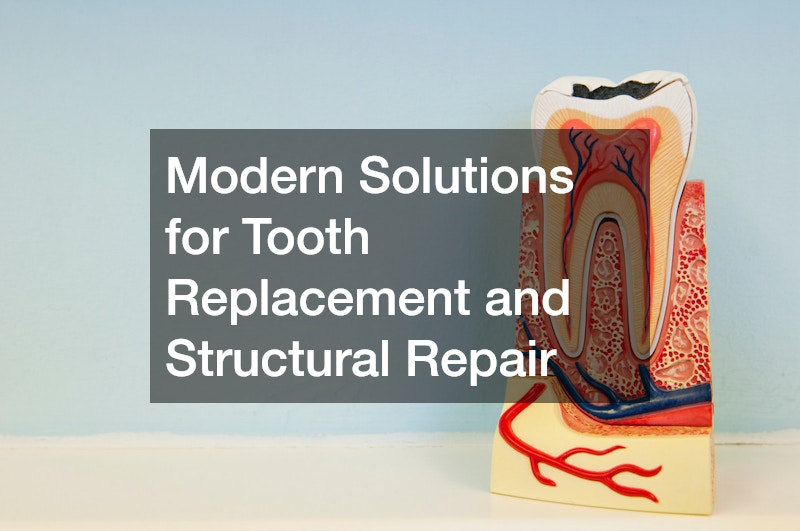
Losing a tooth—whether due to decay, advanced gum disease, or physical injury—can significantly compromise oral function, structural alignment, and personal confidence. When a gap is left unfilled, adjacent teeth naturally drift into the vacant space, altering the bite and increasing the risk of temporomandibular joint (TMJ) issues. Modern restorative care offers highly sophisticated solutions designed to replace missing teeth and restore complete oral health.
For permanent, single, or multi-tooth replacement, dental implant services represent the gold standard of modern care. An implant consists of a biocompatible titanium post surgically placed into the jawbone, acting as an artificial root. Over several months, the bone fuses with the post in a process called osseointegration, creating a solid anchor for a custom-made crown. This approach prevents bone loss, preserves neighboring tooth structures, and functions exactly like a natural tooth.
In cases where multiple teeth are missing across an arch, or when surgical implants may not be immediately feasible, partial dentures provide an effective, accessible, and non-invasive alternative. Today’s removable prosthetics are a far cry from the bulky, unnatural appliances of the past. Utilizing lightweight, flexible materials and precision clasps, modern partials blend comfortably with natural teeth, restoring the ability to chew and speak clearly.
Deciding between fixed restorations and removable prosthetics involves evaluating factors such as jawbone density, overall medical history, budget, and personal preference. Consulting with a knowledgeable clinician allows patients to weigh the benefits of each pathway, ensuring the selected restoration supports long-term structural wellness and daily comfort.
Navigating Sudden Trauma and Urgent Oral Health Care
Dental emergencies can occur without warning, causing severe discomfort, anxiety, and potential long-term damage if not addressed promptly. Knowing how to differentiate between routine dental issues and true emergencies is essential for protecting your family’s health and preventing minor injuries from escalating into complex complications.
True emergencies involve severe pain, uncontrollable bleeding, physical trauma resulting in a knocked-out or cracked tooth, or signs of acute infection such as facial swelling and fever. In situations involving a knocked-out permanent tooth, time is the single most critical factor. Re-implantation is most successful when performed within an hour of the incident. Handling the tooth strictly by the crown (never the root), rinsing it gently with water if dirty, and storing it in a container of milk or saline solution while en route to a clinic can mean the difference between saving and losing the tooth.
Having immediate access to an emergency dentist ensures that severe acute issues are managed with appropriate urgency and pain-control protocols. Many modern practices reserve daily scheduling blocks specifically for urgent drop-ins or maintain on-call services outside of standard operating hours to handle unexpected trauma.
Proactive Maintenance and Preventative Strategies

While advanced restorative and cosmetic procedures can repair damaged teeth, the foundation of lifelong oral wellness remains rigorous, daily prevention. Investing time in proper home hygiene habits yields massive returns, preventing the development of plaque, tartar, tooth decay, and periodontal disease.
An effective daily routine starts with brushing twice daily using a fluoride toothpaste and a soft-bristled brush. Hard bristles can cause gum recession and enamel wear over time. Electric toothbrushes with built-in pressure sensors and timers are highly recommended for all age groups, as they remove plaque significantly more effectively than manual brushing alone. Daily interdental cleaning with floss, interdental brushes, or a water flosser is equally non-negotiable; brushing alone leaves nearly 40 percent of tooth surfaces untouched.
Nutrition also plays a decisive role in oral health. Diets high in refined sugars and acidic beverages feed harmful bacteria, producing acids that erode enamel and cause cavities. Encouraging a diet rich in calcium, phosphorus, leafy greens, and crisp fruits and vegetables promotes healthy saliva production, which naturally neutralizes acids and remineralizes enamel. Furthermore, drinking fluoridated tap water throughout the day helps wash away food particles and strengthens teeth against decay.
Making Informed Financial and Treatment Decisions
Navigating the financial landscape of family dentistry is a primary concern for many households. Understanding insurance coverages, alternative payment options, and the long-term value of preventative care enables families to receive optimal treatment without unexpected financial strain.
Dental insurance plans typically operate on a preventative-focused model, covering 100 percent of routine cleanings and exams, while requiring co-pays or deductibles for basic and major restorative work. It is important for policyholders to thoroughly review their yearly maximum benefits and understand which procedures require pre-authorization. For services that fall outside traditional insurance coverage, such as elective cosmetic enhancements or advanced tooth replacement, many modern practices offer internal membership plans or flexible third-party financing.
When presented with a complex treatment plan, patients should never hesitate to ask detailed questions. Inquire about the root cause of the issue, the potential risks of delaying treatment, alternative treatment options, and the expected longevity of proposed materials. Transparent clinicians welcome open communication and will gladly prioritize care steps to fit within your family’s budget and schedule.
Using This Guide for Dental Solutions
Building and maintaining optimal oral health for your entire family requires a blend of proactive home care, timely clinical intervention, and an understanding of modern dental capabilities. By establishing a strong relationship with a trusted provider, addressing pediatric development early, exploring modern alignment and restorative options, and preparing for unexpected emergencies, you ensure that every member of your household receives comprehensive, high-quality care tailored to their unique needs.